
Transcription
We provide a complete transcription of George D. Watt’s minutes of the 6 June 1854 bishops’ meeting held at Great Salt Lake City in two formats. Choose your preferred version below:
About the Bishops’ Meeting Minutes
The manuscript is held by the Church History Library in the Brigham Young Office Files, General Correspondence Incoming, 6 June 1854, images 1–2 of 4 (CHL CR 1234 1). It is George D. Watt’s holograph fair copy of minutes taken at a bishops’ meeting in the Salt Lake City Thirteenth Ward schoolhouse (located at approximately 140 East 200 South). The original document can be viewed here.
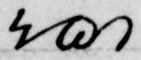
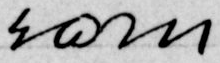
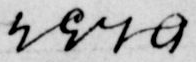
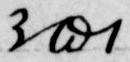
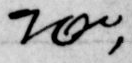
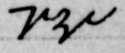
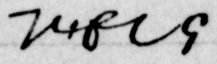
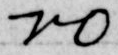
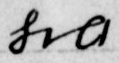
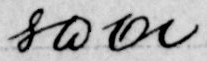
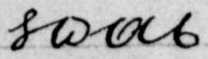
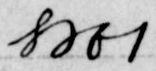
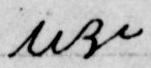
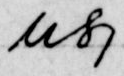
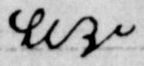
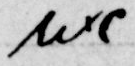
The document represents a developed form of Watt’s Deseret cursive. Numerous ligatures make the manuscript challenging to read, while frequent vowel suppression—especially of the vowels in dress and kit—and occasional reliance on letter names produce a highly economical orthography. These features appear to reflect the influence of Pitman shorthand and Watt’s continuing effort to adapt the Deseret Alphabet to rapid transcription.
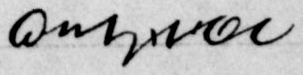
Parenthetical alternatives that Watt supplies for several words suggest that this is a fair copy rather than the record written during the meeting itself. Watt likely took his original notes in Pitman shorthand and later recast them in Deseret cursive. He closes with an apology for the manuscript’s appearance: 𐑄𐐮𐑅 𐐮𐑆 𐑌𐐱𐐻 𐑅𐐬 𐐶𐑊 𐑉𐐮𐐻𐑌 𐐮𐑌 𐐿𐐱𐑌𐑅𐐮𐐿𐐶𐑌𐑅 𐐱𐑂 𐑄 𐐬𐑌𐑊𐐮 𐐹𐑌 𐐴 𐐸𐐰𐐼 𐐺𐑍 𐐩 𐐺𐐰𐐼 𐐶𐐳𐑌 “This is not so well written in consequence of the only pen I had being a bad one.”
Historical Context
The meeting addresses practical questions affecting the bishops of the Salt Lake Valley. The discussion encompasses the numbered wards of Great Salt Lake City as well as the more outlying congregations of West Jordan, Sugar House, and Big Cottonwood. The minutes preserve the concerns of bishops who combined ecclesiastical leadership with responsibility for welfare, tithing, labor, settlement, and local administration.
Historical figures named or quoted in Watt’s record include Bishops David Pettegrew or Pettigrew, Abraham Hoagland, Abraham Owen Smoot, Edward Hunter, Joseph L. Heywood, Edwin D. Woolley, and Alfred Cordon. As Presiding Bishop, Hunter occupied the senior churchwide office represented at the gathering; several of his comments survive in Watt’s transcription. Woolley, appointed bishop of the Thirteenth Ward in January 1854, was the local bishop of the ward in whose schoolhouse the meeting was held.
Beyond its administrative content, the manuscript offers unusually direct evidence of how Watt used the Deseret Alphabet as a working scribal medium. Its compressed forms, ligatures, omitted vowels, and alternative readings show a practical script still being adjusted to the demands of reporting the deliberations of Church councils.
Cursive Wordforms
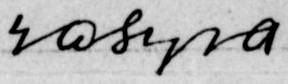
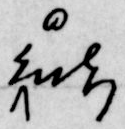
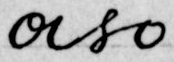
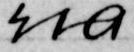
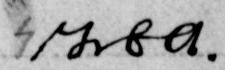
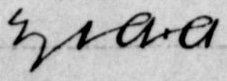
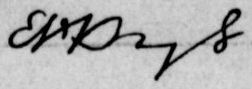
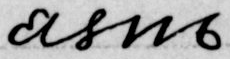
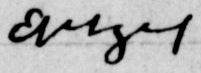
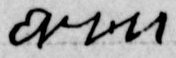
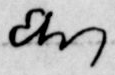
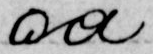
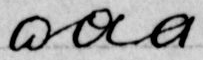
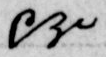
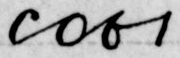
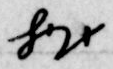
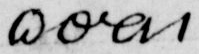
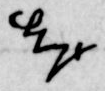
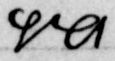
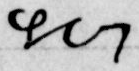
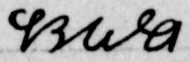
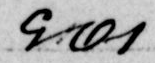
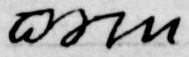
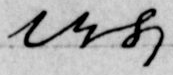
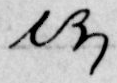
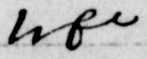
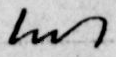
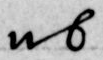
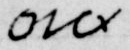
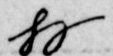
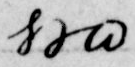
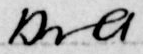
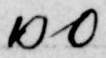
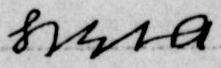
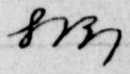
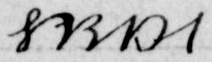
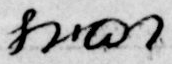
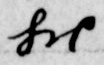
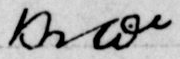
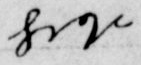
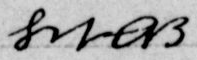
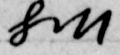
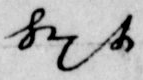
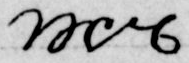
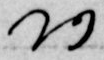
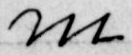
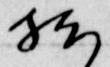
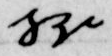
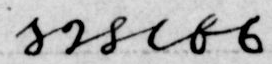
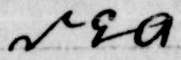
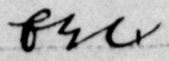
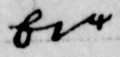
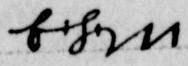
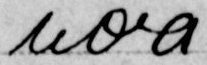
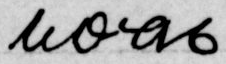
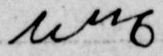
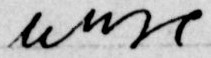
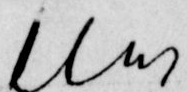
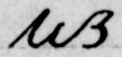
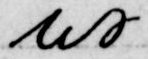
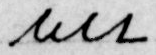
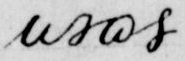
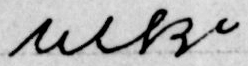
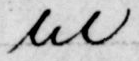
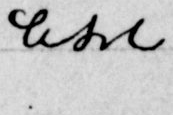
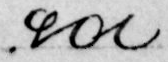
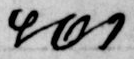
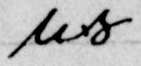
The examples below are cursive words drawn directly from the Bishops’ Meeting minutes. They illustrate George D. Watt’s developed Deseret cursive forms and provide a practical reference for readers who wish to study the conventions of his handwriting, including characteristic ligatures, reduced vowel notation, and some flights of fancy (see, e.g., happy, people, and same). No attempt has been made to normalize the Deseret spellings.
| Cursive form | Deseret spelling | English |
|---|---|---|

|
𐐩 | a |
|
𐐰𐐿𐑅𐐯𐐹𐐻𐐼 | accepted |
|
𐐰𐐿𐐱𐐳𐑌𐐻 | account |
|
𐐰𐐿𐐻 | act |
|
𐐰𐐿𐐻𐑍 | acting |
|
𐐰𐐾𐑉𐑌𐐼 | adjourned |
|
𐐩𐑀𐑌 | again |

|
𐐰𐑊𐐭𐐼𐐮𐐼 | alluded |
|
𐐫𐑊𐑅𐐬 | also |
|
𐐰𐑌𐐼 | and |

|
𐑌𐐮 | any |

|
𐑉 | are |
|
𐐰𐑉𐐴𐑂𐐼 | arrived |

|
𐐰𐑆 | as |

|
𐐰𐐻 | at |
|
𐐰𐐻𐑌𐐼𐐮𐐼 | attended |
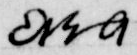
|
𐐺𐐰𐐼 | bad |
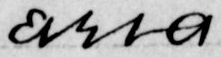
|
𐐺𐐰𐑌𐐼 | band |
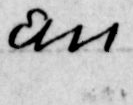
|
𐐺𐑍 | being |
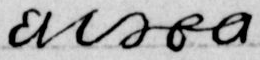
|
𐐺𐑊𐐨𐑂𐐼 | believed |
|
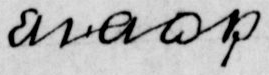
𐐺𐑌𐐮𐐼𐐿𐑇𐑌 | benediction |
|
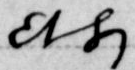
𐐺𐑅𐐻 | best |
|
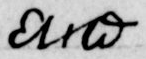
𐐺𐐮𐑀 | big |
|
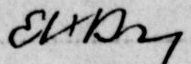
𐐺𐐮𐑇𐐲𐐹 | bishop |
|
𐐺𐐮𐑇𐐲𐐹𐑅 | bishops |
|
𐐺𐑊𐑅𐑍𐑆 | blessings |
|
𐐺𐑉𐐯𐑄𐑉𐑌 | brethren |
|
𐐺𐑉𐑌𐐮𐑍 | burning |
|
𐐺𐐲𐐻 | but |

|
𐐺𐐴 | by |
|
𐐿𐐫𐑊 | call |
|
𐐿𐐫𐑊𐐼 | called |
|
𐐽𐐩𐑉 | chair |
|
𐐽𐐬𐑆𐑌 | chosen |
|
𐑅𐐮𐐻𐐮 | city |

|
𐐿𐑋 | come |

|
𐐿𐐱𐑌𐑅𐐮𐐿𐐶𐑌𐑅 | consequence |
|
𐐿𐐱𐑌𐐻𐐮𐑌𐐮𐐭𐑊 | continual |
|
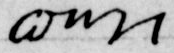
𐐿𐐫𐑉𐐼𐑌 | Cordon |
|
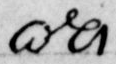
𐐿𐐱𐐻𐑌 | cotton |
|
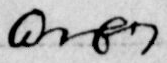
𐐿𐐳𐐼 | could |
|
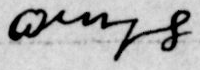
𐐿𐐲𐑂𐐮𐐻 | covet |
|
𐐿𐑉𐐱𐐹𐑅 | crops |
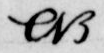
|
𐐼𐐩 | day |
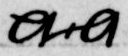
|
𐐼𐐮𐐼 | did |
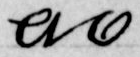
|
𐐼𐐭 | do |
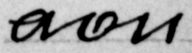
|
𐐼𐐭𐑍 | doing |
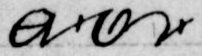
|
𐐼𐐮𐐭𐐻𐐮 | duty |
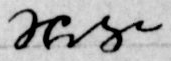
|
𐐨𐐽𐐲𐑄𐑉 | each other |
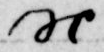
|
𐐨𐐽 | each |
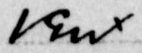
|
𐑌𐐾𐐱𐐮 | enjoy |
|
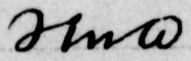
𐐨𐑌𐐱𐐿 | Enoch |
|
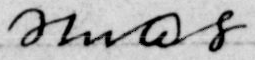
𐐨𐑌𐐱𐐿𐑅 | Enoch’s |
|
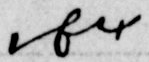
𐐯𐑂𐑉𐐮 | every |
|
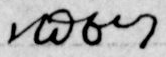
𐐯𐑀𐑆𐑉𐐻 | exert |
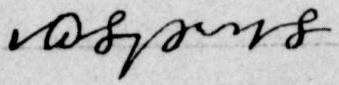
|
𐐯𐐿𐑅𐐹𐐨𐑉𐐲𐑌𐑅 | experience |
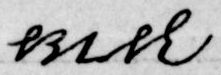
|
𐑁𐐩𐑃𐑁𐐳𐑊 | faithful |
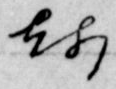
|
𐑁𐐰𐑅𐐻 | fast |
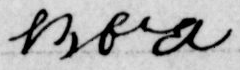
|
𐑁𐐩𐑂𐑉𐐺𐑊 | favorable |
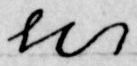
|
𐑁𐑊𐐻 | felt |
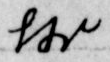
|
𐑁𐐴𐑉 | fire |
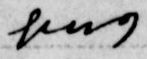
|
𐑁𐑉𐐱𐑋 | from |
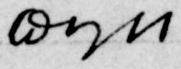
|
𐑀𐐯𐐻𐑍 | getting |
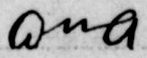
|
𐐿𐐱𐐼 | God |
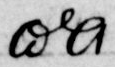
|
𐑀𐐳𐐼 | good |
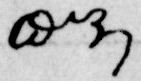
|
𐑀𐑉𐐩𐐻 | great |
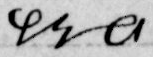
|
𐐸𐐰𐐼 | had |
|
𐐸𐐰𐐹𐐮 | happy |
|
𐐸𐑉𐐼 | hard |

|
𐐸𐐨 | he |
|
𐐸𐑊𐐹 | help |
|
𐐸𐐩𐐶𐐳𐐼 | Heywood |

|
𐐸𐐮𐑋 | him |

|
𐐸𐐮𐑆 | his |
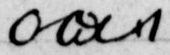
|
𐐬𐑀𐑊𐐮𐑌 | Hoagland |
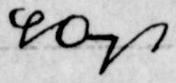
|
𐐸𐐬𐐹𐐻 | hoped |
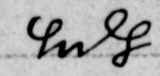
|
𐐸𐐱𐐳𐑅 | house |
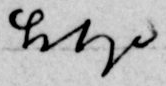
|
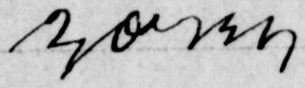
𐐸𐐲𐑌𐐻𐑉 | Hunter |
|
𐑋𐐹𐐫𐑉𐐻𐐰𐑌𐐻 | important |

|
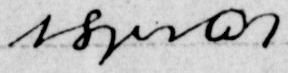
𐐮𐑌 | in |
|
𐑌𐑅𐐻𐑉𐐲𐐿𐐻 | instruct |

|
𐐮𐑆 | is |

|
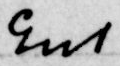
𐐮𐐻 | it |
|
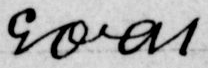
𐐖𐐱𐑌 | John |
|
𐐾𐐫𐑉𐐼𐑌 | Jordan |
|
𐐾𐐮𐐭𐑌 | June |
|
𐐿𐐨𐐹𐑍 | keeping |

|
𐑌𐐮𐐭 | knew |
|
𐑊𐐰𐑅𐐻 | last |
|
𐑊𐐩𐐻 | late |
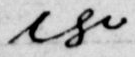
|
𐑊𐑅𐑉 | lesser |

|
𐑊𐐴𐐿 | like |
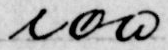
|
𐑊𐐭𐐿 | look |
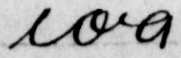
|
𐑊𐐫𐑉𐐼 | Lord |

|
𐑋𐐨𐐻 | meet |
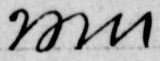
|
𐑋𐐨𐐻𐑍 | meeting |

|
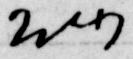
𐑋𐑌 | men |
|
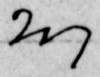
𐑋𐐯𐑉𐐮𐐻 | merit |
|
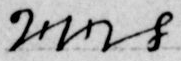
𐑋𐐯𐐻 | met |
|
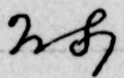
𐑋𐐮𐑌𐐮𐐻𐑅 | minutes |
|
𐑋𐐲𐑅𐐻 | must |
|
𐑌𐐯𐑂𐑉 | never |
|
𐑌𐐱𐐻 | not |
|
𐐱𐑂 | of |

|
𐐱𐑌 | on |
|
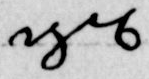
𐐬𐑌𐑊𐐮 | only |
|
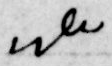
𐐲𐑄𐑉𐑆 | others |
|
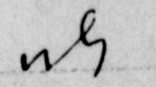
𐐱𐐳𐑉 | our |
|
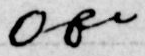
𐐱𐐳𐐻 | out |
|
𐐬𐑂𐑉 | over |
|
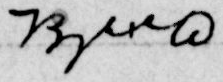
𐐹𐐩𐐻𐑉𐐮𐑉𐐿 | patriarch |
|
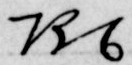
𐐹𐐩𐑆 | pays |

|
𐐹𐑌 | pen |

|
𐐹𐐹𐑊 | people |
|
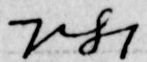
𐐹𐑉𐑅𐑌 | person |
|
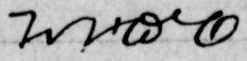
𐐹𐐯𐐻𐐮𐑀𐑉𐐭 | Pettigrew |
|
𐐹𐐭𐑉 | poor |
|
𐐹𐑉𐐩𐑉 | prayer |

|
𐐹𐑉𐐨𐐻𐐸𐐭𐐼 | priesthood |
|
𐐹𐑉𐐮𐑂𐑊𐐾 | privilege |
|
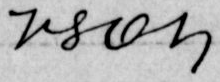
𐐹𐑉𐐬 | pro (as in pro tem) |
|
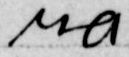
𐐹𐑉𐑅𐐭𐑌𐐻 | pursuant |
|
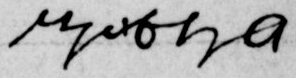
𐑉𐐯𐐼 | read |
|
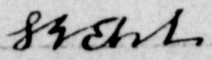
𐑉𐐯𐐹𐑉𐐮𐑆𐑌𐐻𐐼 | represented |
|
𐑅𐐰𐐺𐐲𐑃 | sabbath |
|
𐑅𐐯𐐼 | said |

|
𐑅𐐩𐑋 | same |
|
𐑅𐐿𐐭𐑊 | school |
|
𐑅𐐿𐐭𐑊𐑆 | schools |
|
𐑅𐐨𐑆𐑌 | season |
|
𐑅𐐨 | see |
|
𐑅𐐨𐐿 | seek |
|
𐑇𐐲𐐼 | should |
|
𐑇𐐬 | show |
|
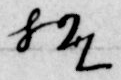
𐑅𐑋𐐮𐑃 | Smith |
|
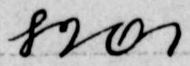
𐑅𐑋𐐭𐐻 | Smoot |
|
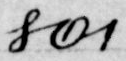
𐑅𐐭𐑌 | soon |
|
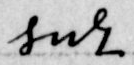
𐑅𐐱𐐳𐑃 | south |
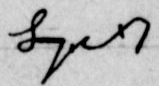
|
𐑅𐐹𐐮𐑉𐐮𐐻 | spirit |
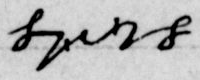
|
𐑅𐐹𐐮𐑉𐐮𐐻𐑅 | spirits |
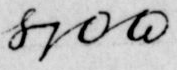
|
𐑅𐐹𐐬𐐿 | spoke |
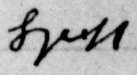
|
𐑅𐐹𐑉𐐮𐑍 | spring |
|
𐑅𐐻𐐰𐑌𐐼 | stand |
|
𐑅𐐻𐐩𐐻 | state |
|
𐑅𐐻𐐩𐑇𐑌 | station |

|
𐑅𐐻𐐮𐐭𐑉𐐼𐑇𐐮𐐹 | stewardship |
|
𐑅𐐻𐐮𐐿𐐻 | strict |
|
𐑅𐐲𐐽 | such |
|
𐑇𐐲𐑀𐑉 | sugar |
|
𐑅𐐲𐑋𐑉 | summer |
|
𐑅𐐲𐑌𐐼𐐩 | Sunday |
|
𐑅𐐲𐑍 | sung |
|
𐑅𐐲𐐹𐑊𐐴 | supply |
|
𐐻𐐨𐐽𐑉𐑆 | teachers |
|
𐐻𐑋 | tem (as in pro tem) |
|
𐐻𐑌𐑃 | tenth |
|
𐑄𐐰𐐻 | that |

|
𐑄 | the |
|
𐑄𐐩𐑉 | their |
|
𐑄𐑋𐑅𐑊𐑂𐑆 | themselves |

|
𐑄𐐩 | they |

|
𐑄𐐮𐑅 | this |
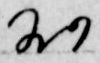
|
𐐻𐐴𐑋 | time |
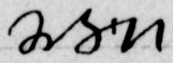
|
𐐻𐐴𐑄𐐮𐑍 | tithing |
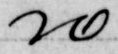
|
𐐻𐐭 | to |
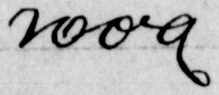
|
𐐻𐐭𐐫𐑉𐐼𐑆 | towards |
|
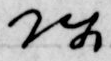
𐐻𐑉𐐴 | try |
|
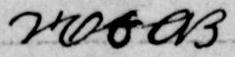
𐐻𐐮𐐭𐑆𐐼𐐩 | Tuesday |
|
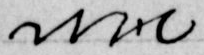
𐐲𐑌𐐻𐐮𐑊 | until |
|
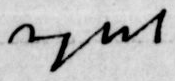
𐐲𐐹𐐱𐑌 | upon |
|
𐐲𐑉𐐾𐐼 | urged |
|
𐑂𐐰𐑊𐐮 | valley |
|
𐑂𐐯𐑉𐐮 | very |
|
𐑂𐐮𐑅𐐮𐐻𐑍 | visiting |
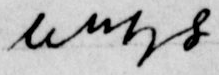
|
𐐶𐐱𐑌𐐻𐑅 | wants |
|
𐐶𐐫𐑉𐐼 | ward |
|
𐐶𐐫𐑉𐐼𐑆 | wards |
|
𐐶𐐱𐑆 | was |
|
𐐶𐐱𐐻𐐽 | watch |
|
𐐎𐐱𐐻 | Watt |
|
𐐶𐐩 | way |
|
𐐶𐐨 | we |
|
𐐶𐑊𐑃 | wealth |
|
𐐶𐐨𐐿𐑅 | weeks |
|
𐐶𐑊𐑁𐐩𐑉 | welfare |
|
𐐶𐑊 | well |
|
𐐶𐐩𐑉 | were |
|
𐐶𐑅𐐻 | west |

|
𐐸𐐶𐑌 | when |
|
𐐸𐐶𐐩𐑉 | where |
|
𐐶𐐮𐐽 | which |
|
𐐸𐐶𐐴𐑊 | while |
|
𐐸𐐬𐑊 | whole |
|
𐐸𐐭𐑋 | whom |
|
𐐶𐐮𐑄 | with |
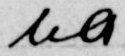
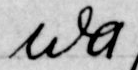
|
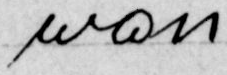
𐐶𐐼, 𐐶𐐳𐐼 | wood |
|
𐐶𐑉𐐿𐑍 | working |