Orson Pratt Key

๐ƒ๐‘‰๐‘…๐ฒ๐‘Œ ๐‘๐‘‰๐ฐ๐ป ๐—๐จ

Transcription | ๐“๐‘‰๐ฐ๐‘Œ๐‘…๐ฟ๐‘‰๐ฎ๐น๐‘‡๐ฒ๐‘Œ

About the Key | ๐ˆ๐บ๐ต๐ป ๐‘„ ๐—๐จ

The โ€œOrson Pratt Keyโ€ is an unsigned manuscript that preserves a relatively explicit naming key for Deseret characters. Internal evidence suggests that it was connected with the preparation of the pedagogical publications that appeared in 1868, namely the Deseret First Book and the Deseret Second Book. These include a key whose naming conventions closely resemble those found in the Orson Pratt Key. Unlike other published keys to the Deseret Alphabet, which do not explicitly state the vowel associated with each letter name, the Orson Pratt Key does so in more cases than are found elsewhere.

On paleographic grounds, and in view of its historical context, we tentatively attribute the key to Orson Pratt. The handwriting does not appear to be George D. Wattโ€™s, despite the manuscriptโ€™s present placement among the Watt papers. For that reason, we believe the item has been misfiled within the George D. Watt collection at the Church History Library.

A plausible date for the key is ca. 1867, when the schoolbooks published in 1868 were still under preparation. If so, it offers a rare glimpse into the practical work of standardizing letter names during the last major phase of Deseret Alphabet development.

Historical Context | ๐๐ฎ๐‘…๐ป๐ฑ๐‘‰๐จ๐ฟ๐ฒ๐‘Š ๐—๐ฑ๐‘Œ๐ป๐ฏ๐ฟ๐‘…๐ป

The naming of letters was more than a minor pedagogical detail. In the Deseret Alphabet movement, letter names helped shape how readers learned the script, how teachers referred to it in classroom settings, and how the alphabet was presented in printed primers. A key devoted specifically to letter names therefore belongs to the larger effort to stabilize the script for consolidatd pedagogical use.

The case for Orson Pratt rests not only on handwriting features but also on his known role in Deseret Alphabet publication. Pratt was closely associated with the transliteration of the schoolbook manuscripts into the Deseret Alphabet. The keyโ€™s form fits well with a moment of active editorial preparation, likely around 1867.

Perhaps the most distinctive aspect of the key is its explicit inclusion of a symbol for the vowel in square. While the vowel in fade is represented with a left-facing โ€น๐โ€บ (it looks rather like a โ€น3โ€บ), the right-facing โ€น๐โ€บ is here associated with the vowel in square.

Because the key remains unscanned, its significance has been easy to overlook. Even so, it may preserve evidence of how Deseret Alphabet letter names were being conceptualized just before the publication of the principal instructional books. In that respect, it is a small but important witness to the technical and intellectual labor behind the Deseret Alphabet experiment.
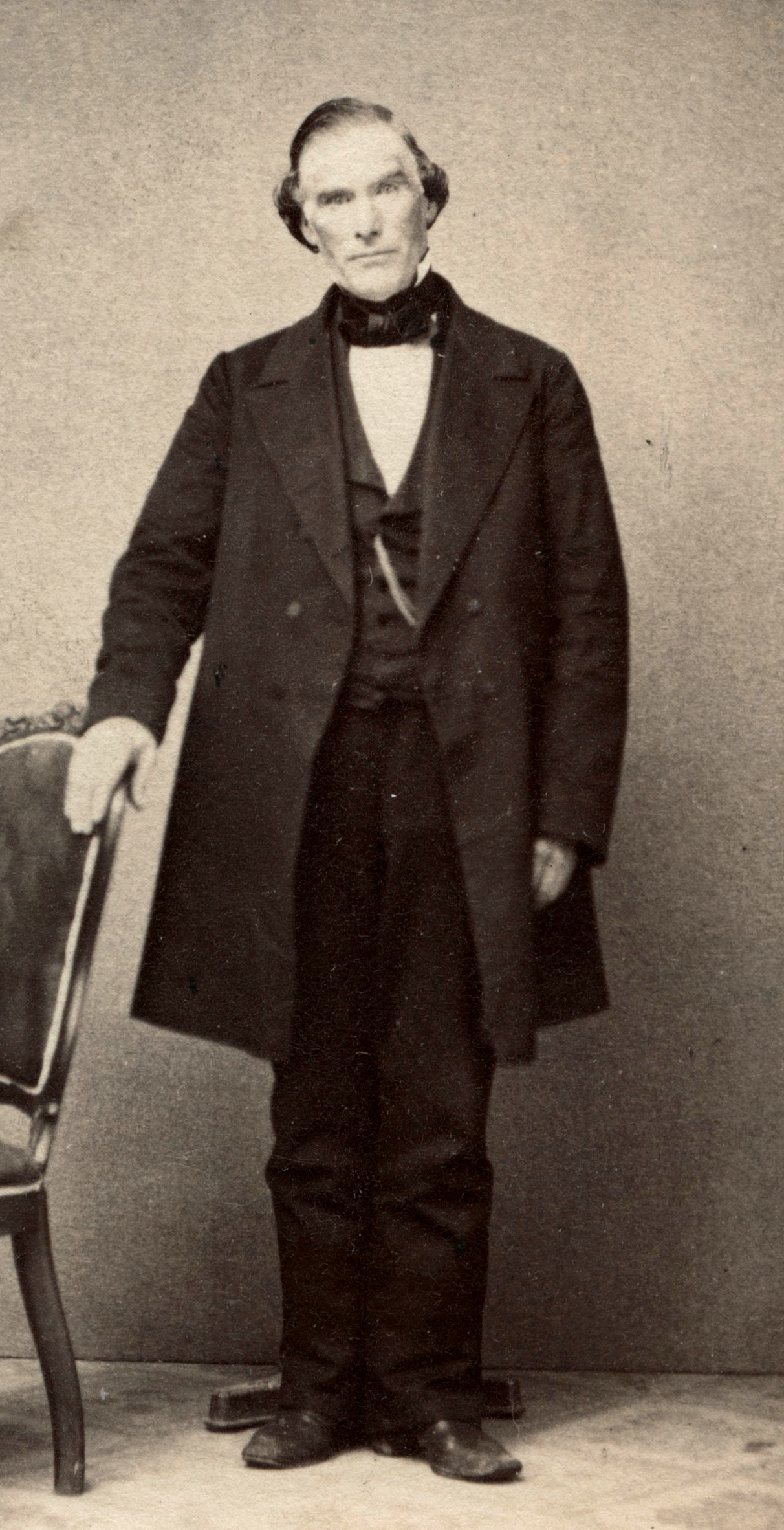
Portrait of Orson Pratt
Orson Pratt (1811โ€“1881), LDS apostle and probable author of the โ€œOrson Pratt Key.โ€ Photograph by Savage and Ottinger, ca. 1860. Courtesy The Church of Jesus Christ of Latter-day Saints.

Comparative Keys | ๐—๐ฒ๐‘‹๐น๐ฐ๐‘‰๐ฒ๐ป๐ฎ๐‘‚ ๐—๐จ๐‘†

The following table compares three moments in Deseret Alphabet pedagogy: the brief public-facing key printed with the Deseret News (DN) scripture passages in 1859, the Orson Pratt Key, and the more regularized Deseret First Book (D1B) of 1868.

The Orson Pratt Key is the most revealing of the three because it often gives both an English example word and a Deseret-script spelling of the letter name. It shows a systematic treatment of the short vowels in an -t frame โ€” it, et, at, ot โ€” while also preserving forms made less explicit in print, including the diphthong in mule and the vowel in square.

In these sources, โ€œsoundโ€ appears to mean the phonetic value assigned to a character, while โ€œnameโ€ means the teachable label by which the character was identified and learned. The Pratt Key is distinctive because it spells those names in the Deseret Alphabet itself.

Deseret Alphabet Symbol DN (1859) Orson Pratt Key (ca. 1867) D1B (1868)
Sound Name Sound Name Sound Name
๐€ โ€” e (long) eel ๐€ eat e
๐* / ๐* / ๐ โ€” a (long) ale ๐* ate a
๐‚ โ€” ah (long) arm ๐‚ art ah
๐ƒ โ€” au (long) all ๐ƒ ought aw
๐„ โ€” o (long) oak ๐„ oat o
๐… โ€” oo (long) ooze ๐… ooze oo
๐† โ€” e (short) ill ๐ฎ๐ป it โ€”
๐‡ โ€” a (short) el ๐ฏ๐ป et โ€”
๐ˆ โ€” ah (short) am ๐ฐ๐ป at โ€”
๐‰ โ€” au (short) on ๐ฑ๐ป ot โ€”
๐Š โ€” o (short) up ๐ฒ๐ป ut โ€”
๐‹ โ€” oo (short) wood ๐ณ๐ป book โ€”
๐‡๐ˆ / ๐ / โ€” โ€” โ€” air ๐ฉ โ€” โ€”
๐Œ โ€” i ice ๐ด ice i
๐ฆ โ€” โ€” oil ๐‘Ž โ€” โ€”
๐ / {๐‰๐‹} / ๐ โ€” ow owl {๐ฑ๐ณ} owl ow
{๐†๐‹} โ€” โ€” dupe {๐ฎ๐ณ} โ€” โ€”
๐ โ€” ye yea ๐ท๐จ โ€” ye
๐Ž โ€” woo way ๐ถ๐ฉ* โ€” woo
๐ โ€” h hay ๐ธ๐ฉ โ€” h
๐‘ โ€” p pole ๐น๐จ โ€” p
๐’ โ€” b bowl ๐บ๐จ โ€” b
๐“ โ€” t toe ๐ป๐จ โ€” t
๐” โ€” d doe ๐ผ๐จ โ€” d
๐• โ€” che cheer ๐ฝ๐จ cheese che
๐– โ€” g jeer ๐พ๐จ โ€” g
๐— โ€” k king k๐ฉโ€  โ€” k
๐˜ โ€” ga game ๐‘€๐ฉ gate ga
๐™ โ€” f fear ๐ฏ๐‘ โ€” f
๐š โ€” v veer ๐‘‚๐จ โ€” v
๐› โ€” eth thigh ๐ฏ๐‘ƒ thigh eth
๐œ โ€” the thy ๐‘„๐จ thy the
๐ โ€” s seal ๐ฏ๐‘… โ€” s
๐ž โ€” z zeal ๐‘†๐จ โ€” z
๐Ÿ โ€” esh shall ๐ฏ๐‘‡ flesh esh
๐  โ€” zhe vision ๐‘ˆ๐จ vision zhe
๐ก โ€” ur rare ๐ช๐‘‰ burn ur
๐ข โ€” l lull ๐ฏ๐‘Š โ€” l
๐ฃ โ€” m maim ๐ฏ๐‘‹ โ€” m
๐ค โ€” n none ๐ฏ๐‘Œ โ€” n
๐ฅ โ€” eng sing ๐ฎ๐‘ length eng

Note: * = reversed character; โ€  = Roman character used instead of Deseret; {XX} = characters in ligature form; โ€” = no corresponding form has been identified.