
Transcription
Read the complete Deseret First Book (Flake–Draper 2817) in the interactive reader, with Deseret and Roman-letter text aligned by word. Links above also provide downloadable Deseret and SAMPA texts.
About the Deseret First Book
The Deseret First Book was the first full, published primer devoted to the Deseret Alphabet. It nominally preceded the Second Book as a foundational text, teaching the basic phonetic principles of the system through simple vocabulary and reading exercises. The two volumes represented the culmination of nearly fifteen years of investment in the Deseret Alphabet project. Both volumes arrived on Utah bookshelves in late 1868.
A scan of the Deseret First Book is made available by the Internet Archive (courtesy the University of Illinois Urbana-Champaign).
Historical Context
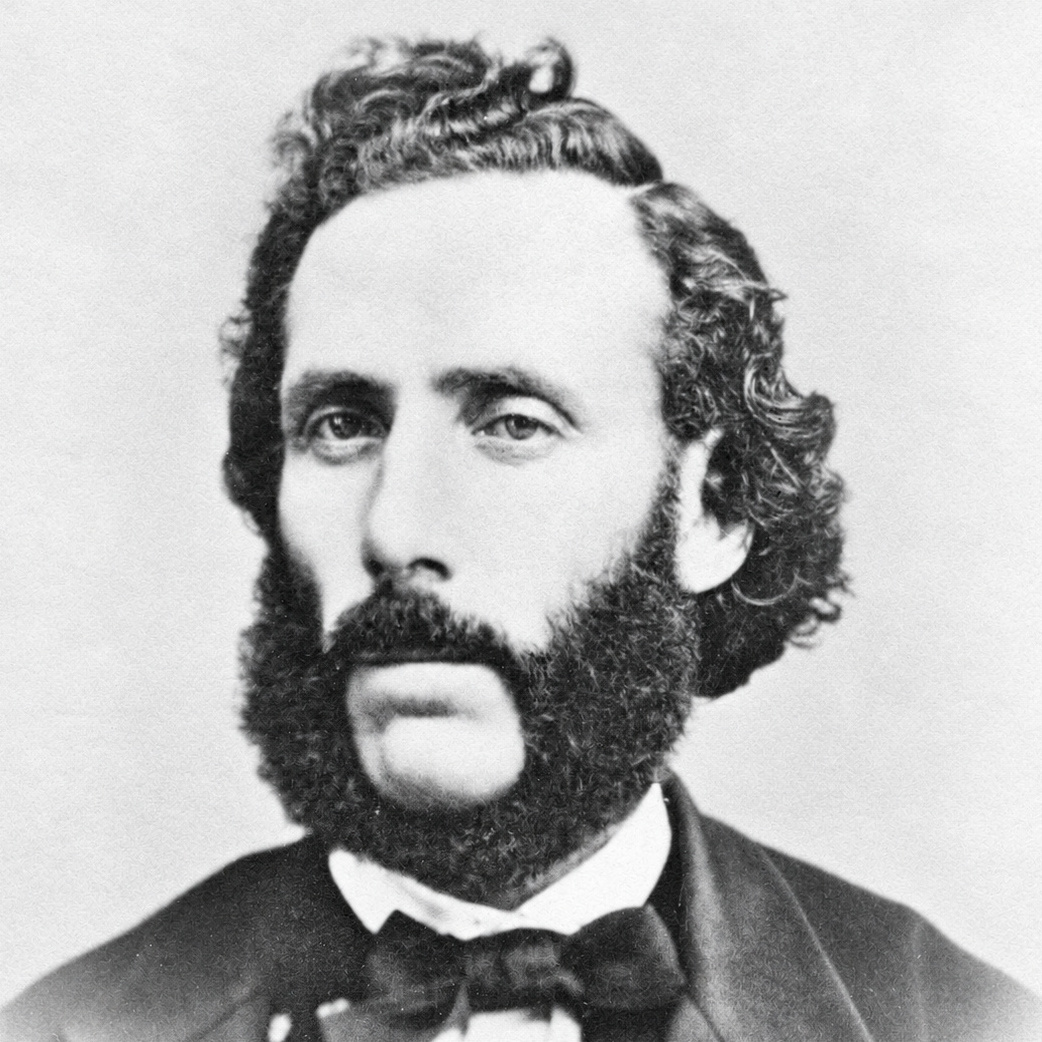
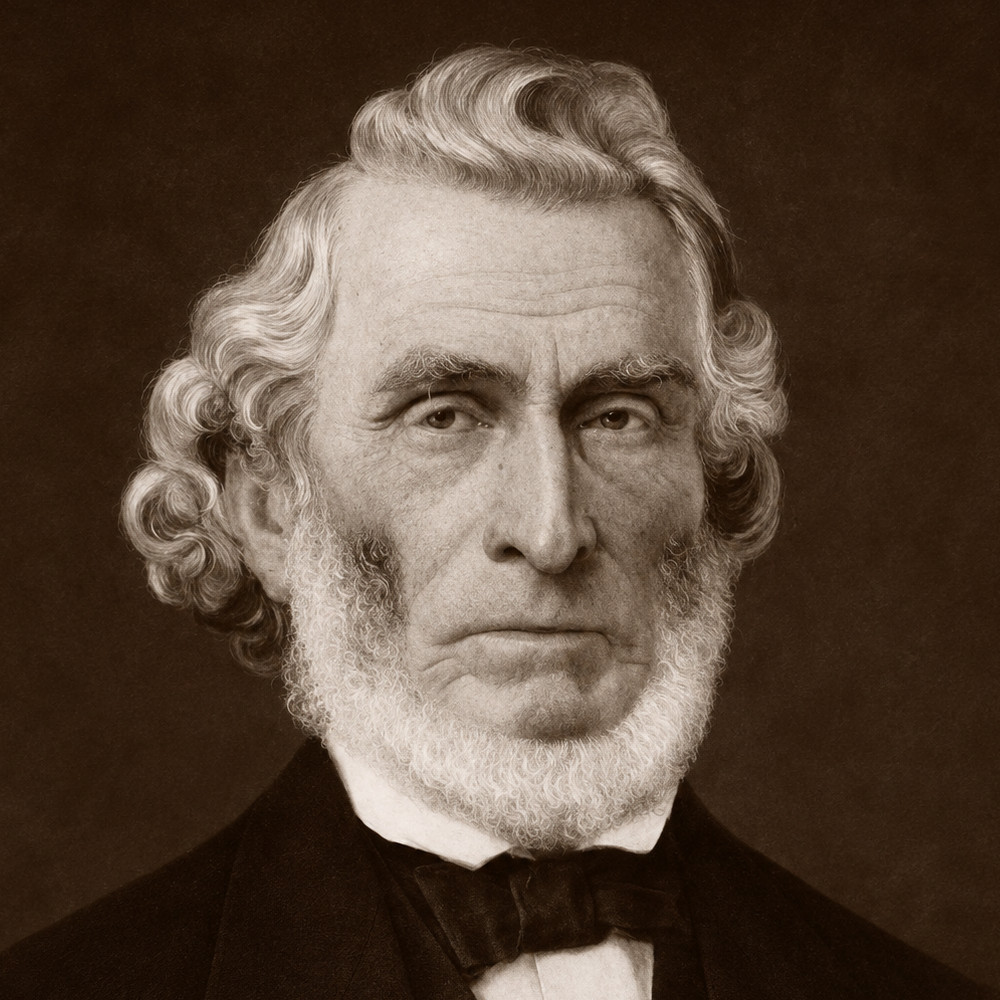
Latter-day Saint businessman David O. Calder arrived in New York City in spring 1868 and spent the summer overseeing the publication of the Deseret Alphabet primers, including the Deseret First Book. Compiled by territorial school superintendent Robert Lang Campbell with the help of Henry I. Doremus, the text provided simple, core lessons for literacy training and was only 36 pages long. It was most likely transcribed into the Deseret by apostle Orson Pratt.
The First Book consists largely of brief sentences drawn from everyday frontier life, serving up familiar tableaux like, “The ox is in the lot” (p. 11) and, “How fast the snow falls!” (p. 27). In one of the few passages tied specifically to the Mormon settlements, the author highlights local agriculture, proudly noting, “Deseret is a fruit country” (p. 32).