Marion J. Shelton Correspondence

๐ฃ๐ฐ๐‘‰๐จ๐ฒ๐‘Œ ๐–. ๐Ÿ๐ฏ๐‘Š๐ป๐ฒ๐‘Œ ๐—๐ฑ๐‘‰๐ฏ๐‘…๐น๐ฑ๐‘Œ๐ผ๐ฏ๐‘Œ๐‘…

Transcription | ๐“๐‘‰๐ฐ๐‘Œ๐‘…๐ฟ๐‘‰๐ฎ๐น๐‘‡๐ฒ๐‘Œ

About the Correspondence | ๐ˆ๐บ๐ต๐ป ๐‘„ ๐—๐ฑ๐‘‰๐ฏ๐‘…๐น๐ฑ๐‘Œ๐ผ๐ฏ๐‘Œ๐‘…

Marion J. Sheltonโ€™s surviving correspondence provides an unusually direct record of the Deseret Alphabet in private use. The letters emphasized here were written in 1859 and 1860 from Orayvi and Harmony and were addressed to apostle George A. Smith, a group of associates whom Shelton called his โ€œBeloved Brothers,โ€ and Brigham Young. They are preserved in the George A. Smith Papers and the Brigham Young Office Files at the Church History Library.

Shelton generally wrote these letters in a formal Deseret block hand, or scriptura quadrata. The manuscripts preserve ligatures, decorative capitals, unusual spellings, and abbreviations that show the alphabet functioning as a practical medium of correspondence rather than merely as a printed or classroom script.

Sheltonโ€™s earlier proposal to Brigham Young concerning the redesign and teaching of the alphabet is discussed separately on the Sheltonโ€“Young letter page. The present page concentrates on his other surviving Deseret Alphabet letters and on the networks, places, and writing practices they document.

Letters from Orayvi | ๐ข๐ฏ๐ป๐ฏ๐‘‰๐‘† ๐‘๐‘‰๐ฑ๐‘‹ ๐„๐‘‰๐ด๐บ

On 13 November 1859 Shelton wrote from Orayvi to apostle George A. Smith. The letter is written in scriptura quadrata and contains several conspicuous ligatures, including forms joining the letters represented by ๐’๐ข, ๐‘๐ข, and ๐“๐ข. Shelton also used an elaborate majuscule ๐† and distinctive spellings for geographical names, including Utah, Colorado, and ruins. His use of ult. for โ€œlastโ€ shows Roman epistolary abbreviation surviving within a document otherwise written in Deseret.

A companion letter dated the same day is addressed to Sheltonโ€™s โ€œBeloved Brothers.โ€ He names John Lyman Smith, Richard Bentley, Robert Campbell, โ€œJ. J.,โ€ โ€œJ. V.,โ€ and others. Shelton expected a circle of correspondents, rather than a single specialist, to receive and read material written in the alphabet.

Shelton also sent a short letter from Orayvi to Brigham Young on 13 November 1859. Its spelling distinguishes the surname Young, written with the lot vowel, from the adjective young, written with the strut vowel. The contrast may reflect a deliberate treatment of the proper name, a convention observed in other Deseret Alphabet writing to or about Brigham Young.

Harmony Letter | ๐๐ช๐‘‰๐‘‹๐ฒ๐‘Œ๐ฎ ๐ข๐ฏ๐ป๐ฏ๐‘‰

Sheltonโ€™s letter of 3 April 1860 was written from Harmony in Washington County, Utah Territory. Like the Orayvi correspondence, it is a holograph manuscript in scriptura quadrata. It includes a schwa glyph, continuing Sheltonโ€™s interest in representing reduced or medial vowel sounds within the Deseret system.

The letter is especially important for its postscript. Writing in Deseret, Shelton tells Brigham Young that he intends to present him with โ€œthat portion of the language that I have reduced to writing.โ€ This statement points to his larger project to document the Hopi language. The postscript presents Shelton as an active compiler and systematizer rather than merely an experimental correspondent.

Read alongside the Orayvi letters, the Harmony letter shows sustained use of the alphabet across different places and purposes. Shelton carried the script into personal and administrative correspondence while continuing to adjust its phonetic resources and written forms.

Historical Context | ๐๐ฎ๐‘…๐ป๐ฑ๐‘‰๐จ๐ฟ๐ฒ๐‘Š ๐—๐ฑ๐‘Œ๐ป๐ฏ๐ฟ๐‘…๐ป

Sheltonโ€™s correspondence belongs to a period when the Deseret Alphabet was being tested in handwriting, education, translation, and print. His manuscripts show that users did not necessarily regard the alphabet as a fixed system. They combined letters, varied vowel notation, devised ornamental forms, and adapted familiar epistolary conventions to a new script.

The letters also place Deseret writing within the administrative and missionary networks of the Latter-day Saint community. Apostle George A. Smith was a major institutional correspondent, serving at the time as Church Historian. The โ€œBeloved Brothersโ€ letter reached a broader group of associates (clerks and other scriveners at Church headquarters), while the letters sent to Brigham Young connected Sheltonโ€™s work to the senior leadership most closely associated with the alphabetโ€™s promotion.

Orayvi and Harmony are central to the documentary context. The letters demonstrate that Deseret writing circulated outside Great Salt Lake City and could be used in geographically dispersed communities. Their survival provides evidence not merely of theoretical interest in phonetic reform, but of the alphabetโ€™s practical use by an individual correspondent over an extended period.
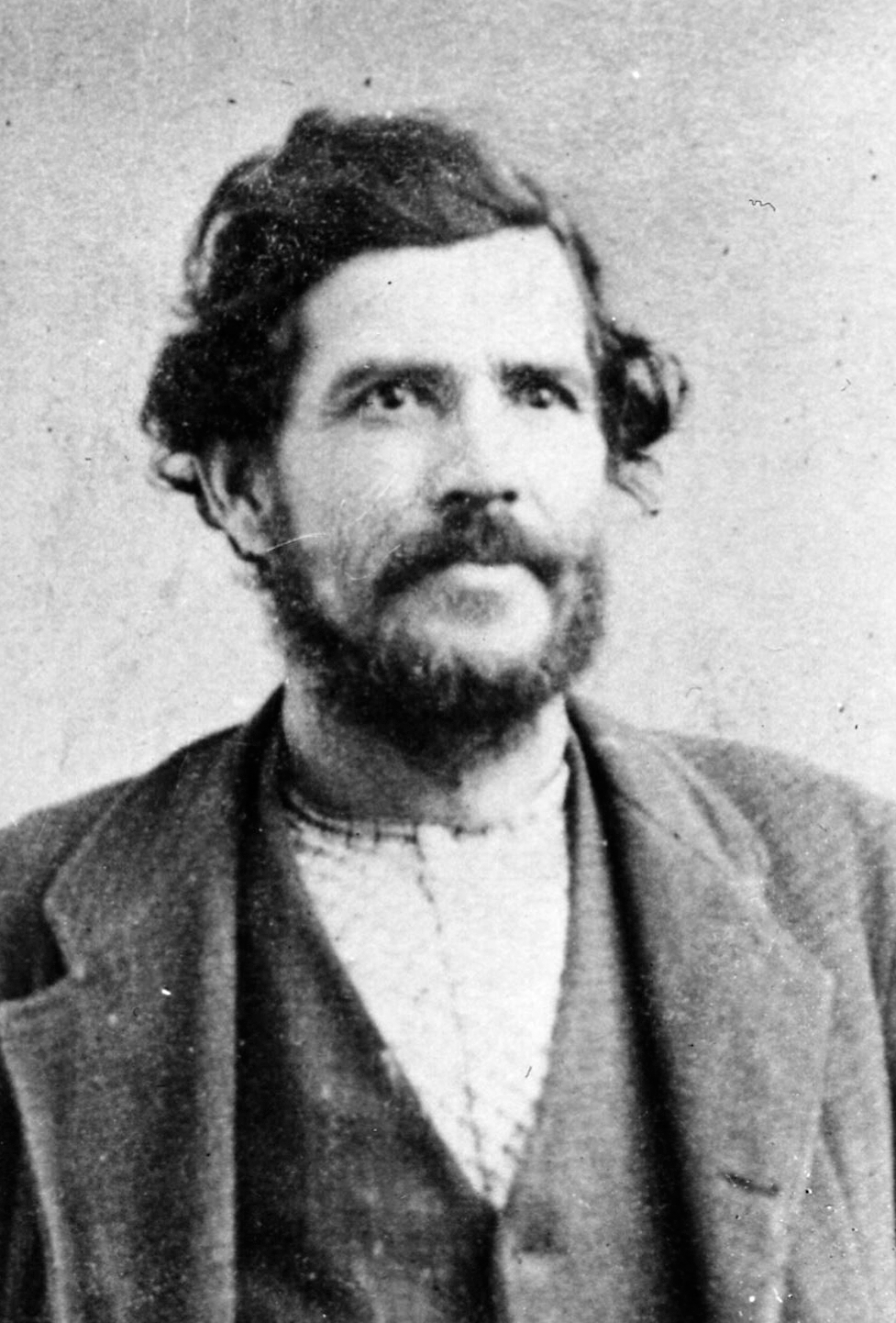
Portrait of Marion J. Shelton
Marion J. Shelton, clerk, missionary, and experimenter in Deseret orthography. Courtesy FamilySearch.
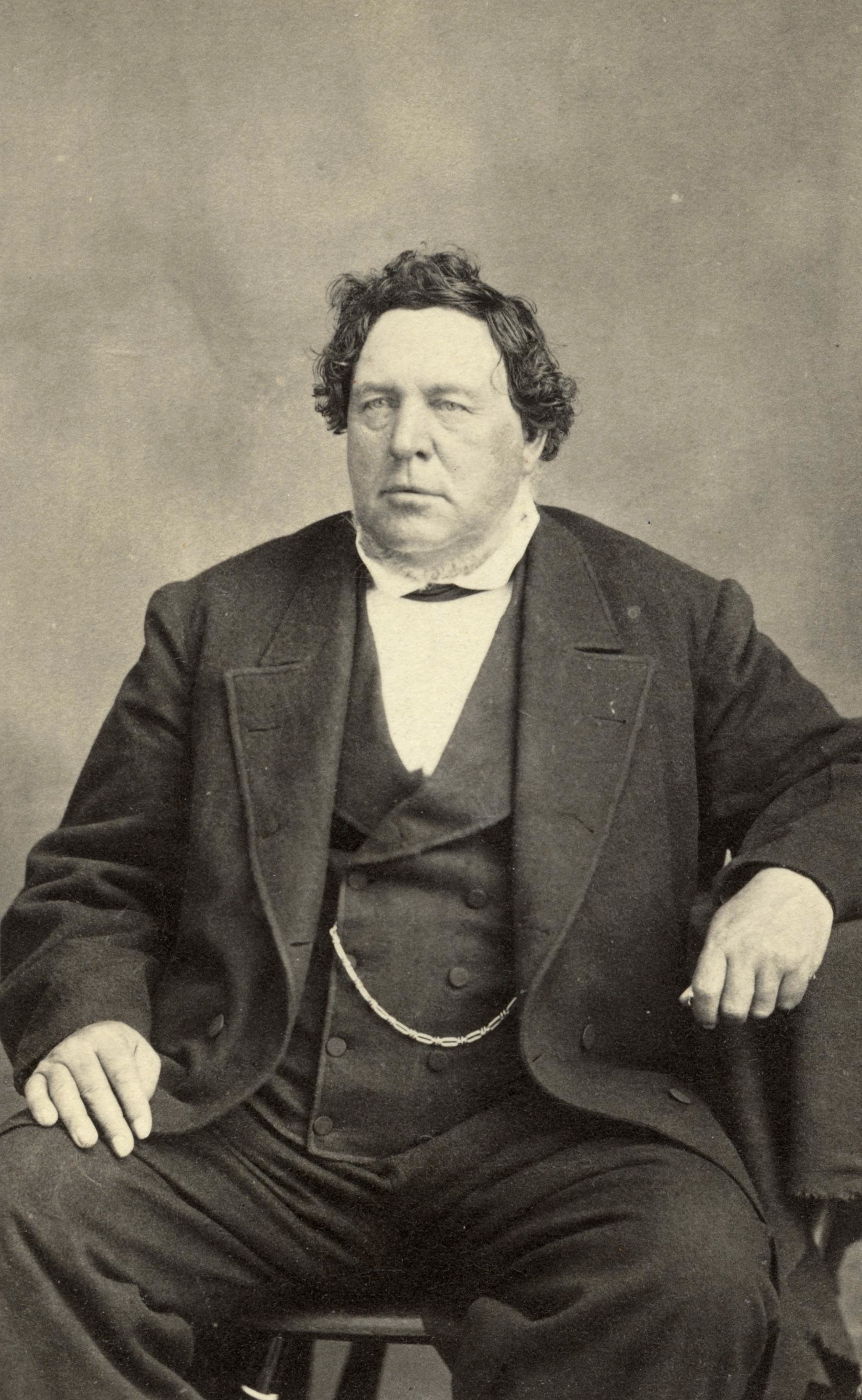
Portrait of George A. Smith
Apostle George A. Smith, recipient of Sheltonโ€™s 13 November 1859 letter from Orayvi. Edward Martin, photographer, ca. 1867. Courtesy The Church of Jesus Christ of Latter-day Saints, George A. Smith Portrait Collection.

Correspondence | ๐—๐ฑ๐‘‰๐ฏ๐‘…๐น๐ฑ๐‘Œ๐ผ๐ฏ๐‘Œ๐‘…

Recipient Date Repository and document Content and features
Brigham Young July 1859 BYOF/GCI, images 1โ€“4 of 4 (CHL CR 1234 1) Orthographic proposals (primarily in Roman letters) are treated separately here.
George A. Smith 13 November 1859 GASP/GCI, images 24โ€“25 of 60 (CHL MS 1322) Written from Orayvi in scriptura quadrata. Uses ligatures for forms including ๐’๐ข, ๐‘๐ข, and ๐“๐ข, as well as a decorative majuscule ๐†. Contains distinctive spellings for Utah, Colorado, and ruins.
โ€œBeloved Brothersโ€ 13 November 1859 GASP/GCI, image 26 of 60 (CHL MS 1322) Written from Orayvi in scriptura quadrata. Addressed to John Lyman Smith, Richard Bentley, Robert Campbell, โ€œJ. J.,โ€ โ€œJ. V.,โ€ and others, documenting a wider community of intended Deseret readers.
Brigham Young 13 November 1859 BYOF/GCI, image 1 of 2 (CHL CR 1234 1) Short letter from Orayvi in scriptura quadrata. Uses the lot vowel in the surname Young but the strut vowel for the adjective young.
Brigham Young 3 April 1860 BYOF/GCI, images 1โ€“3 of 4 (CHL CR 1234 1) Written from Harmony, Washington County, Utah Territory. Includes a schwa glyph. In a Deseret postscript, Shelton says that he intends to present Young with โ€œthat portion of the language [Hopi] that I have reduced to writing.โ€

Repository abbreviations: BYOF/GCI = Brigham Young Office Files, General Correspondence Incoming; GASP/GCI = George A. Smith Papers, General Correspondence Incoming; CHL = Church History Library.