Sheltonโ€“Young Letter (1859)

๐Ÿ๐ฉ๐‘Š๐ป๐ฒ๐‘Œโ€“๐๐ฑ๐‘ ๐ข๐ฏ๐ป๐ฏ๐‘‰ (1859)

Transcription | ๐“๐‘‰๐ฐ๐‘Œ๐‘…๐ฟ๐‘‰๐ฎ๐น๐‘‡๐ฒ๐‘Œ

About the Letter | ๐ˆ๐บ๐ต๐ป ๐‘„ ๐ข๐ฏ๐ป๐ฏ๐‘‰

In July 1859, Marion J. Shelton wrote to Brigham Young after being advised to make himself thoroughly acquainted with the Deseret Alphabet, probably by apostle George A. Smith. The resulting letter is not merely a statement of support for the alphabet. It is a detailed technical argument about how the script should represent English sounds.

Shelton treats the Deseret Alphabet as a phonetic writing system whose usefulness depends on careful analysis of speech. He classifies the letters, describes which consonants may occur together, discusses the spelling of English past-tense endings, and argues that the vowel system requires additional distinctions beyond the ordinary Deseret vowel characters.

Historical Context | ๐๐ฎ๐‘…๐ป๐ฑ๐‘‰๐ฎ๐ฟ๐ฒ๐‘Š ๐—๐ฑ๐‘Œ๐ป๐ฏ๐ฟ๐‘…๐ป

Sheltonโ€™s letter belongs to a moment of renewed institutional attention to the Deseret Alphabet. In summer 1859, the script was being printed regularly in the Deseret News and deployed experimentally in the Church Historianโ€™s Office, as well as in Wilford Woodruffโ€™s journal. Sheltonโ€™s proposal shows that the alphabet was also being studied critically as a system for representing English phonology.

Shelton argued for greater phonetic precision, but Brigham Young rejected the proposed refinements. Young treated them as artifacts of prior schooling rather than defects in the alphabet, informing Shelton a few months later that โ€œthese technicalities are the result of education and if the alphabet was taught to children who had not learned any other[,] they would never realize the differenceโ€ (Journal History of the Church of Jesus Christ of Latter-day Saints, 7 September 1859).
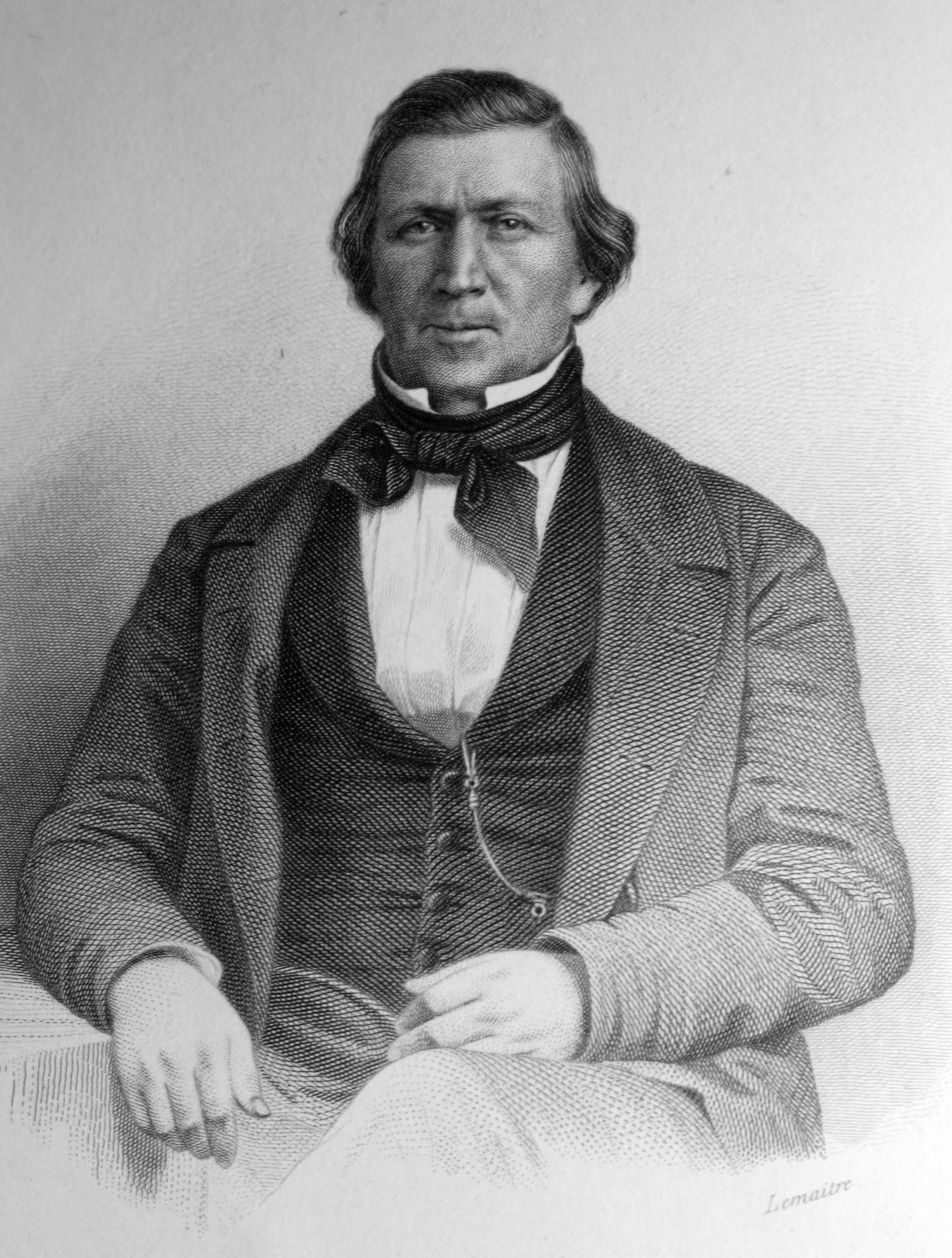
Portrait of Brigham Young
Brigham Young (1801โ€“1877), president of The Church of Jesus Christ of Latter-day Saints and leading institutional advocate of the Deseret Alphabet, ca. 1855.
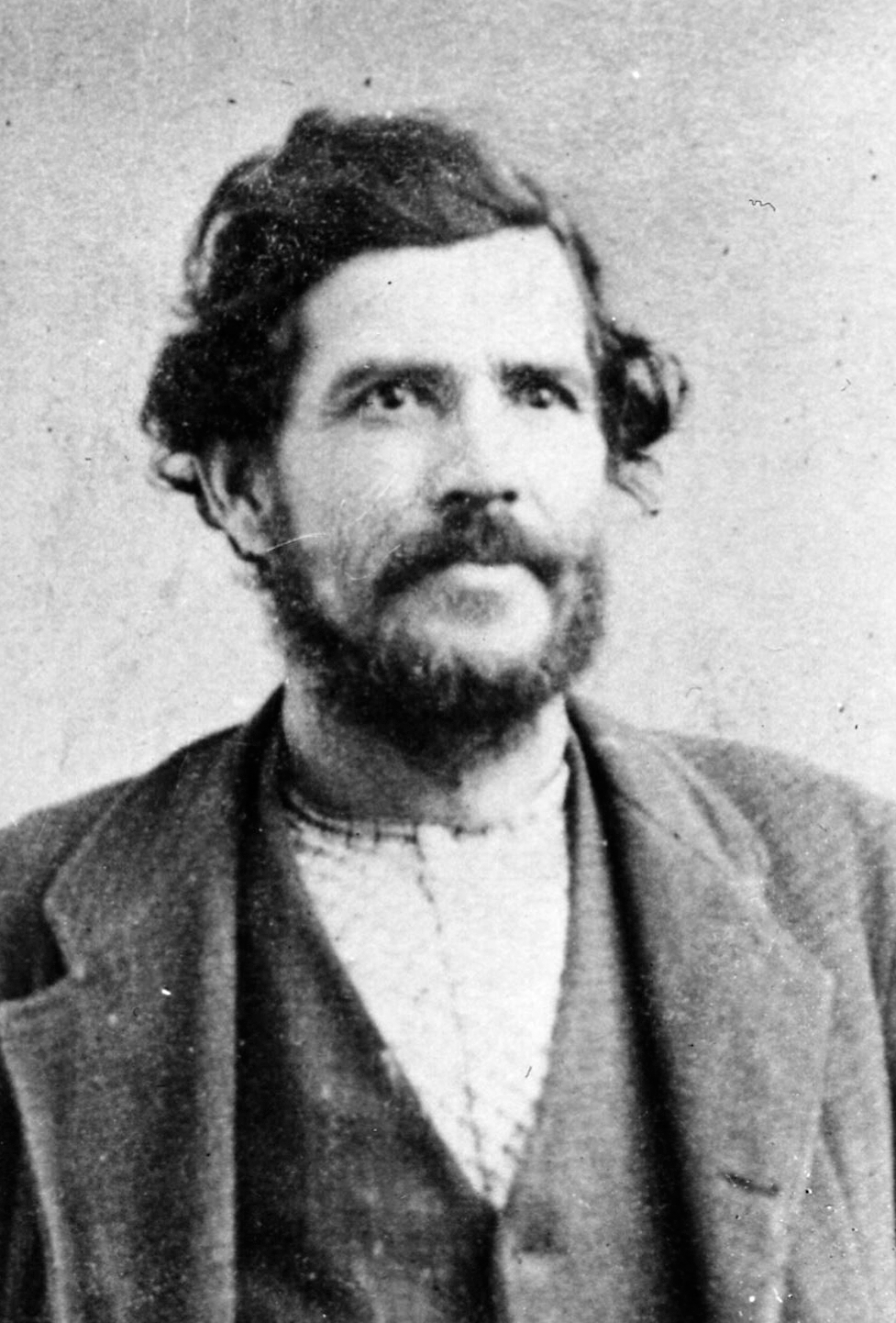
Portrait of Marion J. Shelton
Marion J. Shelton, author of the July 1859 letter to Brigham Young.

Sheltonโ€™s Argument | ๐Ÿ๐ฏ๐‘Š๐ป๐ฒ๐‘Œโ€™๐‘† ๐ˆ๐‘‰๐‘€๐ท๐ญ๐‘‹๐ฏ๐‘Œ๐ป

Sheltonโ€™s argument has two sides. First, he tries to regularize Deseret spelling according to English consonant structure. Second, he argues that the alphabet needs a more refined way to mark vowel quality.

Consonant Clusters

Shelton describes which consonants may occur before or after others within a word or syllable. He pays special attention to the distribution of ๐ /s/ and ๐ž /z/.

Voicing

A major principle is voicing agreement. Voiceless consonants such as ๐‘, ๐“, ๐—, ๐™, and ๐› combine with ๐ /s/, while voiced consonants such as ๐’, ๐”, ๐˜, ๐š, and ๐œ combine with ๐ž /z/.

Past-Tense Endings

Shelton applies the same voicing logic to English past-tense and past-participle spellings. After voiceless sounds, he recommends ๐“ /t/; after voiced sounds, ๐” /d/; and after verbs already ending in /t/ or /d/, the fuller ending ๐ฏ๐ผ.

Vowel Refinement

Shelton argues that Websterโ€™s analysis points to more vowel sounds than the standard Deseret vowel inventory can easily represent. He therefore proposes modified vowel characters, marked in handwriting by an additional stroke and in print by a following hyphen.

Modified Vowels | ๐ฃ๐ฑ๐ผ๐ฎ๐‘๐ด๐ผ ๐š๐ต๐ฏ๐‘Š๐‘†

Sheltonโ€™s most distinctive proposal concerns what he calls โ€œmiddleโ€ or โ€œsecondโ€ vowel sounds. He rejects the idea that such sounds are merely the result of accent, arguing instead that they deserve independent notation. His proposed solution is to modify existing Deseret vowel characters.

In manuscript, the modification is made by drawing an additional stroke through the character. In print, Shelton says that the hyphen may appear after the character, for example as ๐†-, ๐‡-, or ๐ˆ-.

Shelton illustrates the proposal with several spellings of his own. The examples below represent the manuscript stroke with a postposed hyphen, according to Sheltonโ€™s suggestion for print.

event ๐ฎ-๐‘‚๐ฏ๐‘Œ๐ป Uses ๐†- for a middle or reduced i- or e-like vowel.
hair ๐ธ๐ฏ-๐‘‰ Uses ๐‡- for the vowel quality Shelton associates with hair.
nor ๐‘Œ๐‘Ž๐‘‰ Uses ๐ฆ for the vowel in norโ€”not, as in standard Deseret usage, for the choice diphthongโ€”probably to indicate an intermediate rounded vowel between ๐ƒ and ๐‰.
are ๐ฐ-๐‘‰ Uses ๐ˆ- for the rhotic vowel in start.
horologiographic ๐ธ๐ฒ-๐‘‰๐ฒ-๐‘Š๐ฒ-๐พ๐ฎ-๐ฒ-๐‘€๐‘‰๐ฐ๐‘๐ฎ๐ฟ Uses ๐Š- for a reduced vowel associated with orthographic o.
sue ๐‘…{๐ฎ๐ณ} Uses {๐†๐‹}, almost certainly the diphthong [ษชสŠ], which Shelton refers to as the โ€œsecond soundโ€ associated with ๐… (the vowel in boot).

The added mark therefore does not appear to indicate (lack of) stress alone. Nor does it simply mean that the vowel is shorter. Rather, it marks a related but distinct vowel quality: a โ€œmiddleโ€ or โ€œsecondโ€ value associated with the ordinary vowel sign. The exact modern phonetic value of each modified vowel is not always certain, but Sheltonโ€™s purpose is clear: he is trying to expand the Deseret Alphabet so it can represent more of the vowel distinctions he found in Websterian pronunciation. In other words, the stroke added to a letter does not appear to perform a consistent diacritic function.

Interpretation and Significance | ๐†๐‘Œ๐ป๐ฒ๐‘‰๐น๐‘‰๐จ๐ป๐ฉ๐‘‡๐ฒ๐‘Œ ๐ฐ๐‘Œ๐ผ ๐๐ฎ๐‘€๐‘Œ๐ฎ๐‘๐จ๐ฟ๐ฒ๐‘Œ๐‘…

Sheltonโ€™s letter shows that some Deseret Alphabet users were not simply adopting a fixed script. They were actively thinking through how the alphabet should analyze English sounds. His proposal treats Deseret spelling as a phonological system: consonant clusters are regulated, voiced and voiceless endings are distinguished, and some vowel qualities are marked with added notation.

Source Information | ๐๐ฌ๐‘‰๐‘… ๐†๐‘Œ๐‘๐ฌ๐‘‰๐‘‹๐ฉ๐‘‡๐ฒ๐‘Œ

Marion J. Shelton Letter
July 1859. Brigham Young office files, 1832โ€“1878, bulk 1844โ€“1877; General Correspondence, Incoming, 1840โ€“1877; General Letters, 1840โ€“1877; Saโ€“Sm, 1859. Church History Library.

The letter is available online through the Church History Library catalog.