Home ›
Research ›
How to Write the Deseret Alphabet
Introduction | 𐐆𐑌𐐻𐑉𐐬𐐼𐐲𐐿𐑇𐐲𐑌
The Deseret Alphabet was designed as a phonemic writing system for English: each
letter represents a speech sound rather than a conventional spelling pattern.
Learning to write it therefore requires two related skills: forming the characters
clearly and choosing the characters that match the intended pronunciation.
This page introduces the formation of Deseret Alphabet characters in formal
scriptura quadrata style and then offers guidance for developing a readable
cursive hand. It is intended as a practical writing guide rather than a complete
history of Deseret penmanship.
Scriptura Quadrata Forms | 𐐝𐐿𐑉𐐮𐐹𐐻𐐮𐐳𐑉𐐪 𐐗𐐶𐐱𐐼𐑉𐐱𐐻𐐪
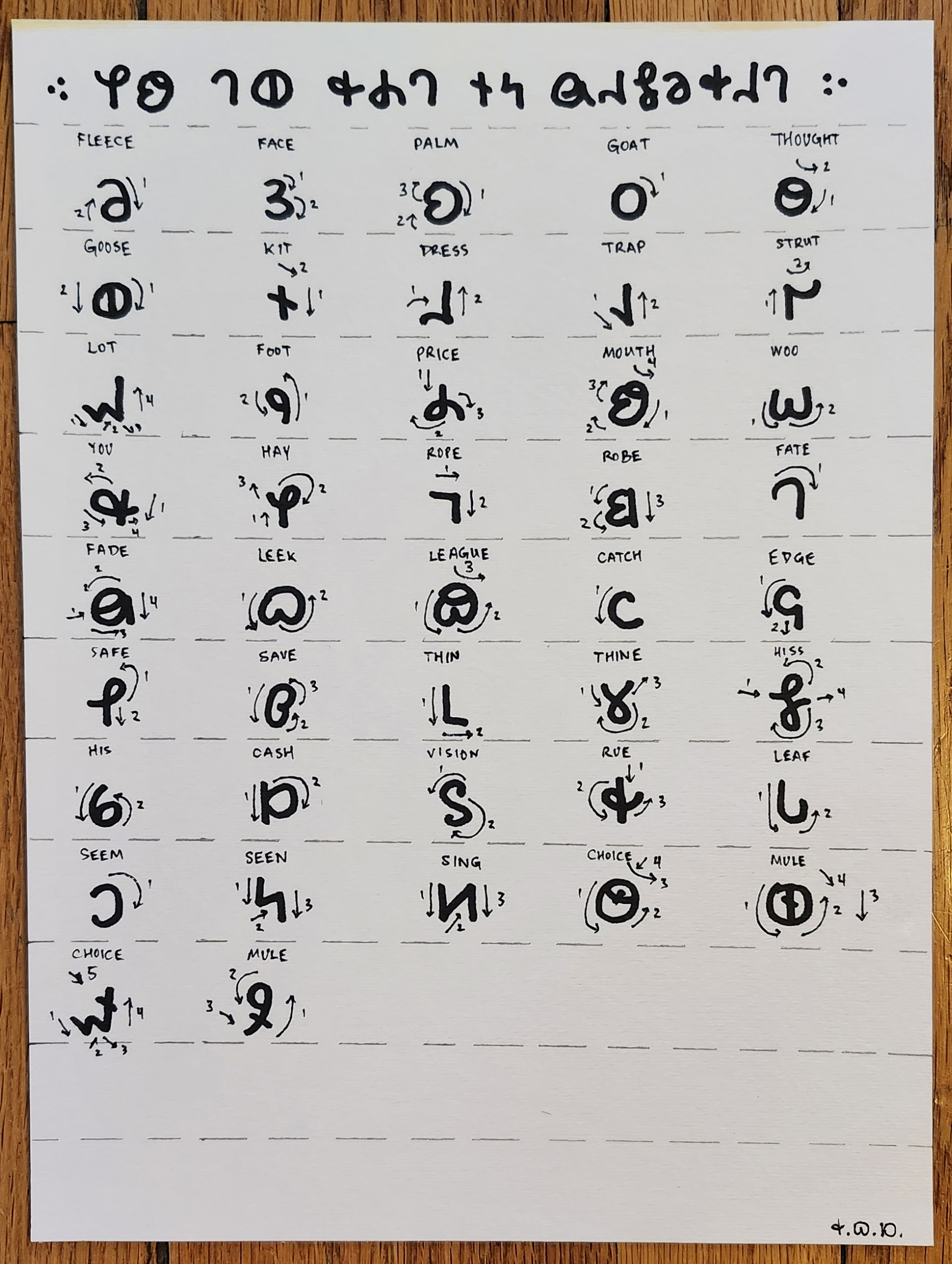
Begin with the formal printed shapes. These square, separated forms are the safest
model for students because they preserve the distinctions among similar characters.
How to produce the scriptura quadrata characters of the Deseret Alphabet.
Practice: Copy the printed form first, using the numbered arrows as a guide to
stroke order and placement. You may find that a different stroke order works better for you.
Focus initially on producing clear, recognizable letterforms.
Only after the character can be written consistently and legibly should you begin reducing
hand movement and combining strokes for greater speed and efficiency.
General Writing Principles | 𐐖𐐯𐑌𐐲𐑉𐐲𐑊 𐐡𐐴𐐻𐐮𐑍 𐐑𐑉𐐮𐑌𐑅𐐮𐐹𐑊𐑆
Write by sound. Choose the Deseret character that corresponds to the pronunciation, not to traditional English spelling.
Keep letters separate at first. Do not join characters until you can produce each one accurately.
Preserve contrast. Similar forms must remain visibly distinct, especially in rapid handwriting.
Use consistent height. Regular proportions make Deseret text much easier to read.
Prefer legibility over ornament. Decorative hands are useful only after the basic forms are secure.
Character Chart for Copying | 𐐗𐐰𐑉𐐰𐐿𐐻𐑉 𐐕𐐪𐑉𐐻 𐑁𐐫𐑉 𐐗𐐱𐐹𐐨𐐮𐑍
Use this chart as a copying model. The sound values are approximate and are
included to remind writers that the alphabet is phonemic.
Name
Majuscule
Minuscule
Approx. Sound
Example
Copy
Long I
𐐀
𐐨
/i/
fleece
Long E
𐐁
𐐩
/e/ or /eɪ/
face
Long A
𐐂
𐐪
/ɑ/
palm
Long Ah
𐐃
𐐫
/ɔ/
thought
Long O
𐐄
𐐬
/o/ or /oʊ/
goat
Long Oo
𐐅
𐐭
/u/
goose
Short I
𐐆
𐐮
/ɪ/
kit
Short E
𐐇
𐐯
/ɛ/
dress
Short A
𐐈
𐐰
/æ/
trap
Short Ah
𐐉
𐐱
/ɒ/
lot
Short O
𐐊
𐐲
/ʌ/
strut
Short Oo
𐐋
𐐳
/ʊ/
foot
Ay
𐐌
𐐴
/aɪ/
price
Ow
𐐍
𐐵
/aʊ/
mouth
Woo
𐐎
𐐶
/w/
woo
Yee
𐐏
𐐷
/j/
you
H
𐐐
𐐸
/h/
hay
Pee
𐐑
𐐹
/p/
rope
Bee
𐐒
𐐺
/b/
robe
Tee
𐐓
𐐻
/t/
fate
Dee
𐐔
𐐼
/d/
fade
Chee
𐐕
𐐽
/tʃ/
catch
Jee
𐐖
𐐾
/dʒ/
edge
Kay
𐐗
𐐿
/k/
leek
Gay
𐐘
𐑀
/g/
league
Ef
𐐙
𐑁
/f/
safe
Vee
𐐚
𐑂
/v/
save
Eth
𐐛
𐑃
/θ/
thin
Thee
𐐜
𐑄
/ð/
thine
Es
𐐝
𐑅
/s/
hiss
Zee
𐐞
𐑆
/z/
his
Esh
𐐟
𐑇
/ʃ/
cash
Zhee
𐐠
𐑈
/ʒ/
vision
Ur
𐐡
𐑉
/r/
rue
El
𐐢
𐑊
/l/
leaf
Em
𐐣
𐑋
/m/
seem
En
𐐤
𐑌
/n/
seen
Eng
𐐥
𐑍
/ŋ/
sing
Oi
𐐦
𐑎
/ɔɪ/
choice
Ew
𐐧
𐑏
/ju/
mule
Note: Deseret Alphabet sound values and symbols varied across time, writers,
and publications. This chart is intended as a practical aid for writing and copying.
The following characters are often confused by beginning writers because of their similar shapes.
Practice them together and associate each character with its keyword.
Characters
Examples
𐐪 𐐵 𐑂
palm, mouth, save
𐐯 𐐰 𐐲
dress, trap, strut
𐐳 𐑁
foot, safe
𐐷 𐑉
you, rue
𐐿 𐑀 𐐶
leek, league, woo
𐐺 𐐼
robe, fade
𐐽 𐑋
catch, seem
𐐨 𐑆
fleece, his
𐐻 𐑊
fate, leaf
Writing Practice | 𐐡𐐴𐐻𐐮𐑍 𐐑𐑉𐐰𐐿𐐻𐐮𐑅
1. Trace
Begin by tracing the scriptura quadrata forms from the chart or image.
2. Copy
Copy short words slowly, preserving the difference between similar letters.
3. Recall
Cover the model and write the same word from memory.
4. Compose
Write new words phonemically, checking each sound against the chart.
Practice these words:
Deseret
English
Notes
𐐏𐐮𐐳𐐻𐐪
Utah
Good for vowel practice.
𐐺𐐳𐐿
book
Practice short oo and final consonant.
𐐣𐐱𐑉𐑋𐐲𐑌
Mormon
Practice repeated rounded forms.
𐐰𐑊𐑁𐐰𐐺𐐯𐐻
alphabet
Practice mixed vowels and consonants.
𐐔𐐯𐑅𐐨𐑉𐐯𐐻
Deseret
Practice the name of the alphabet.
How to Write in Cursive | 𐐐𐐵 𐐻𐐭 𐑉𐐴𐐻 𐐮𐑌 𐐗𐑉𐑅𐐮𐑂
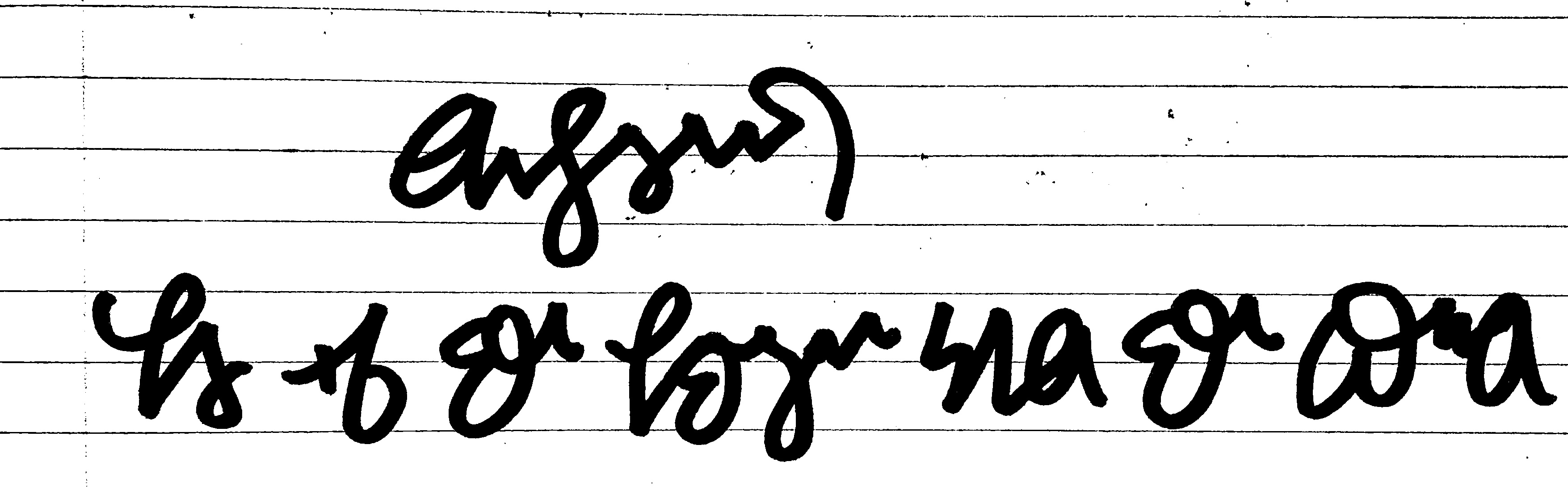
Cursive Deseret is not a separate alphabet but a handwritten adaptation of the printed script.
Like other cursive scripts, it is intended to facilitate rapid, fluent writing while retaining
the essential identities of the scriptura quadrata characters. Although printed Deseret materials
circulated widely during the nineteenth century and helped stabilize the appearance of the
scriptura quadrata letterforms, no standardized cursive system was ever adopted.
Instead, individual writers developed their own connected and abbreviated styles. The forms
presented here synthesize features found in surviving manuscripts with conventions that have
proven practical in modern use. For detailed studies of individual hands and manuscript traditions,
see Davis and Shosted (2026), Deseret Paleography (Mormon History Association, 2026).
You can inspect a variety of examples drawn from George Watt's mature Deseret Alphabet cursive here.
There is no single mandatory cursive standard. Historical manuscript practice
varied, and modern writers may develop a personal hand. A good cursive Deseret
hand should nevertheless follow several constraints.
Keep the phonemic letters identifiable. A cursive simplification should not make one character look like another.
Join only where the join is natural. Do not force connections that obscure the letterform.
Round angular transitions. Corners may become curves, but the basic skeleton of the letter should remain visible.
Use a consistent slant. A regular slant helps cursive text cohere visually.
Retain capitals as display forms. In formal writing, capitals may remain closer to scriptura quadrata while lowercase forms become more connected.
A practical method is to begin with separated scriptura quadrata letters, then
connect only the exit stroke of one letter to the entrance stroke of the next.
The result should resemble an efficient manuscript hand, not an ornamental script.
Cursive rule of thumb: simplify motion, not meaning. If a reader can
no longer identify the character, the cursive form has gone too far.
Cursive Exercises | 𐐗𐑉𐑅𐐮𐑂 𐐇𐐿𐑅𐑉𐑅𐐴𐑆𐐮𐑆
Use the following sequence to develop a cursive hand:
Write each word in separated print forms.
Rewrite the same word with slightly rounded strokes.
Join pairs of letters where the join feels natural.
Compare the result with the printed model and correct any ambiguous forms.
𐐔𐐯𐑅𐐨𐑉𐐯𐐻
𐐐𐐨 𐐮𐑆 𐐵𐑉 𐑁𐐪𐑄𐐯𐑉 𐐰𐑌𐐼 𐐵𐑉 𐐘𐐱𐐼
Further Resources | 𐐙𐑉𐑄𐑉 𐐡𐐨𐑅𐐬𐑉𐑅𐐯𐑆
After practicing the letterforms, compare your writing with original Deseret texts
in the digitized corpus, including the
New Testament manuscript, and the
Historical Department Office Journal. These pages contain links
to the scanned originals, hosted by the Church History Library, as well as our transcribed versions.
Those interested in the history, language ideology, and cultural legacy of the
script may wish to read Shosted and Davis’ study,
The Deseret Alphabet: A Fixed and Unalterable Sound
(University of Illinois Press, 2026).