
Competing accounts
The question of who invented the Deseret Alphabet appears more straightforward than the surviving evidence permits. To propose a new system of writing was not necessarily to determine its principles, devise its characters, or decide how those characters should be used. These were related undertakings, but they need not have emanated from the same intelligence. The accounts left by participants and observers assign credit differently in part because they describe (and admire) different kinds of work.
There can be no doubt that George D. Watt, a trained stenographer and documented enthusiast for phonetic writing, occupies a central place in this history. He wrote the earliest dated surviving document in Deseret and participated materially in the alphabet’s development. Yet an early published account attributed its invention to printer William W. Phelps, while contemporary records identify consequential proposals by university regent John Vance and Deseret News editor Willard Richards, among others. The evidence does not resolve itself into a contest among claimants advancing equivalent claims. Nor does it reveal a sustained contemporary effort to establish one man’s exclusive authorship. The concern to identify a single inventor risks imposing a coherence on the process that its participants themselves do not appear to have recognized.1
The records of the University of Deseret’s governing board, the regents, offer a different point of departure. Under Brigham Young’s sponsorship, the board considered proposals, debated principles, and voted on individual letters. Here the alphabet emerges through a succession of decisions whose outcome was highly contingent. Any account of its origins must explain how the contributions of particular men acquired their final form through this collective work.

Watt’s work and the limits of his authority
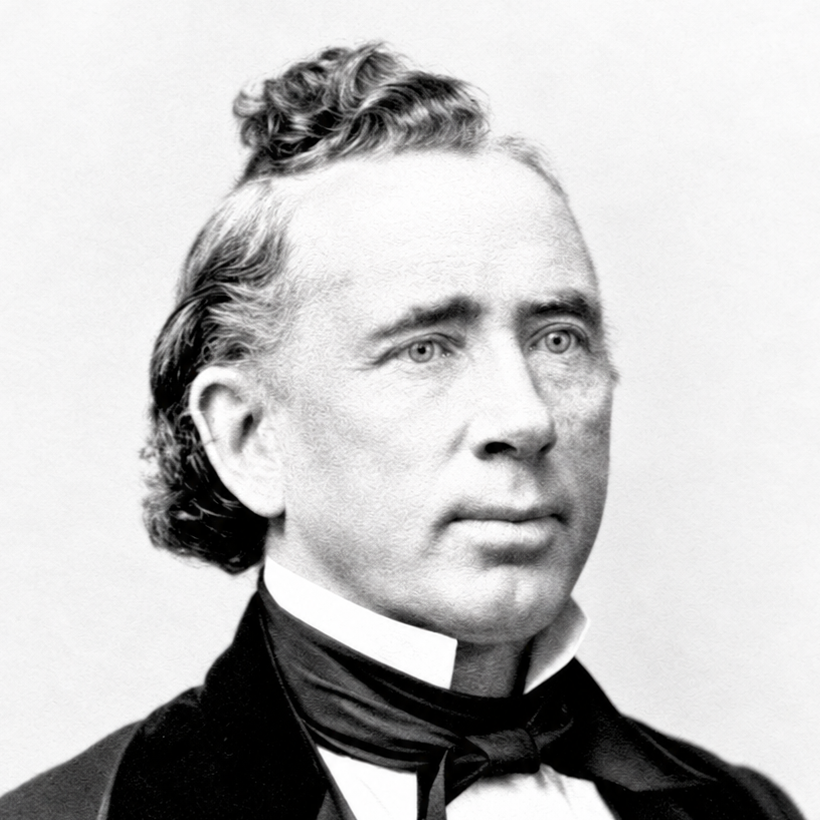
On 7 March 1853, Watt wrote to Young in Deseret to request flour for his mother. This “Flour Note,” composed months before the regents’ principal deliberations, establishes his early command of the script. It is important evidence of his involvement, although the earliest surviving instance of a person using an alphabet cannot, by itself, establish that person’s responsibility for its invention. Watt’s letter of 21 August 1854 supplies a more explicit, if also more interested, account of his part in its construction:
“I was not left as free as I could have been in the construction of it…”
George D. Watt to Brigham Young, 21 August 18542
The qualification is significant. Watt represented himself as a designer whose freedom had been limited, and he identified Vance’s contribution as something he had “[e]ndeavored to incorporate as much as possible in the alphabet.” His account thus places his own labor within requirements that he had not independently determined and within a vision not entirely his own. The alphabet’s design was manifestly not Watt’s sole prerogative, nor was he likely to have exercised primary discretion among men who understood their authority as divinely sanctioned and whose standing in the Mormon hierarchy far exceeded his own.
Watt’s letter was written to secure Young’s approval for substantial revisions. Watt proposed replacing most of the symbols that later accounts would credit him with selecting, and he objected to Vance’s “amalgamation principle.” The precise scope of that principle remains uncertain: it may have involved representing a combination of sounds by a single letter, allowing a letter to stand for a whole syllable, or both. The features to which Watt objected nevertheless survived. Deseret ⟨𐐕⟩ continued to represent the final sound in catch, while letters such as ⟨𐐜⟩ and ⟨𐐤⟩ remained available as syllabic abbreviations.
Watt’s willingness to replace so many letterforms complicates the later attribution of those forms to him. He may have been reconsidering his own choices; he may have been attempting to displace choices made by others. The letter does not permit a confident division of responsibility. What it does show is that the adopted alphabet contained provisions he opposed and that he sought further authorization to change them.
The letter’s silences must also be understood in relation to its purpose. Watt named Vance because he sought to undo Vance’s contribution. He did not discuss Phelps’ earlier proposal or Richards’ suggestions, neither of which was the immediate object of his appeal. An argument for reform had little reason to furnish a comprehensive history of the system being reformed. The August 1854 letter is substantial evidence of Watt’s role in the alphabet’s development, but its account of constrained authorship cannot readily be made to support a claim of exclusive invention.
Vance and the deliberations of the regents
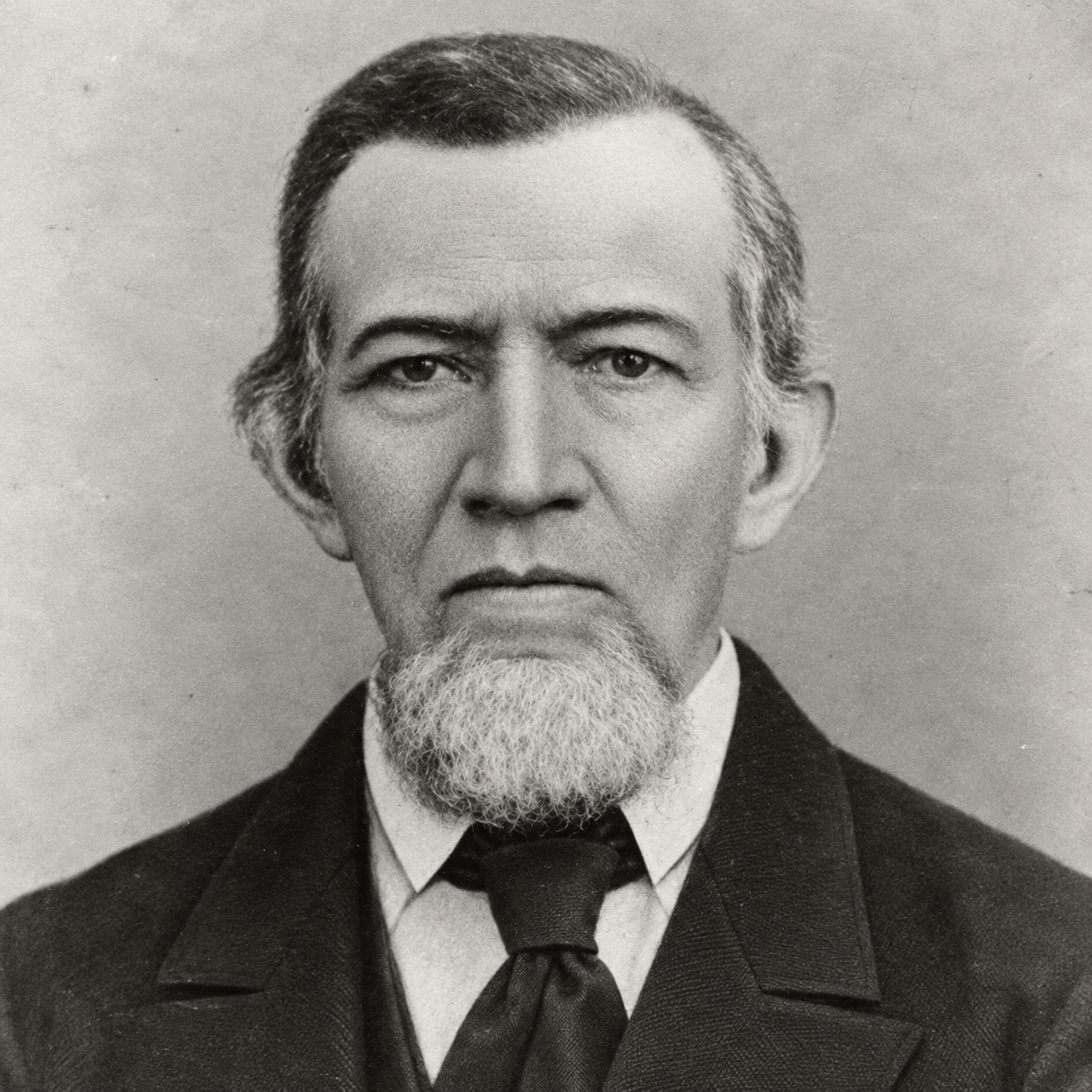
Vance brought a proposal for writing by sound before the board in April 1853. Although the regents criticized his scheme, rejection of a proposal as a whole did not preclude the adoption of some of its principles. Watt’s subsequent objections indicate that Vance’s influence outlasted the initial debate. Richards, too, acknowledged the work of both men in December 1853.
The issue was more fundamental than the appearance of the characters. A new alphabet required decisions about the units of speech that writing should represent and the relation between those units and individual signs. A contributor who helped settle those questions could shape the system without drawing its letters. Vance’s role makes it especially difficult to equate invention solely with the selection of graphic forms.
The regents’ discussions extended beyond Vance and Watt. Along with Watt, Parley P. Pratt and Heber C. Kimball served on a committee whose proposals brought the alphabet into closer alignment with Isaac Pitman’s English Phonotypic Alphabet; apostles Wilford Woodruff and Ezra T. Benson participated in decisions affecting its form. Young’s sponsorship, interventions, and expectations gave the undertaking its institutional setting and much of its direction. The resulting alphabet incorporated judgments made by men whose interests and preferences did not always coincide. The committee’s work was consequently part of the design itself, not simply a means of ratifying a design already complete.3
Phelps and the question of priority
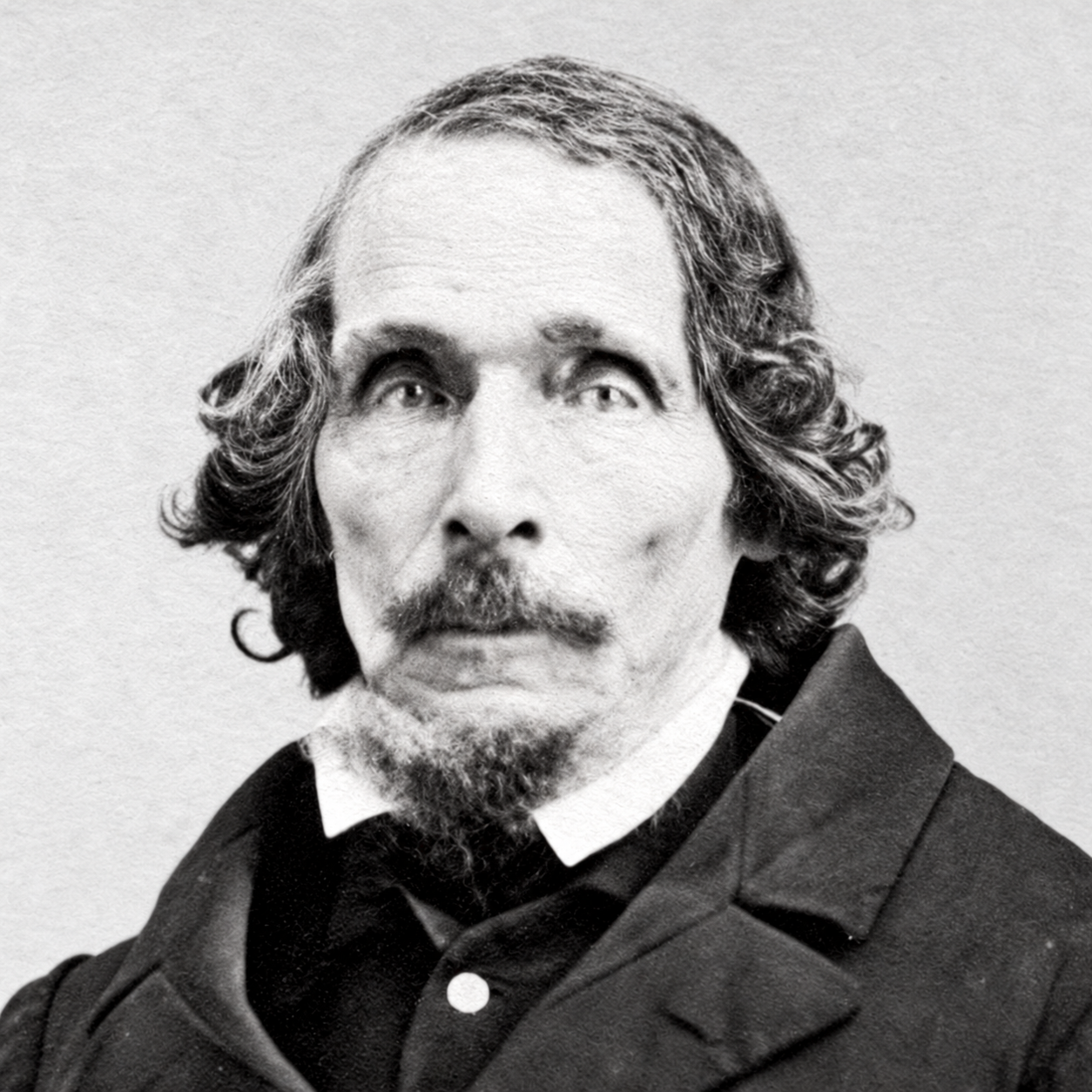
The chronology begins earlier than Watt’s surviving Deseret manuscripts. On 27 March 1850, Phelps presented a “Mormon alphabet” to the regents, three years before the Flour Note. His proposal has not survived, and its absence places a firm limit on what priority can establish. The record documents an early initiative; unfortunately, we cannot compare Phelps’ characters with those ultimately adopted.
The resemblance of several Deseret characters to Ethiopic forms offers a possible connection with Phelps’ linguistic and esoteric interests. Such affinities are suggestive, but they cannot substitute for the missing proposal or establish the route by which particular forms entered the alphabet. His later participation is more directly documented. A letter to Young of 10 April 1854 contains a postscript in the Deseret Alphabet, and his Deseret Almanac for 1855 printed an early specimen of the new characters, probably set in type by Phelps himself.4
An attribution of authorship followed soon afterward. Jules Rémy visited Utah and met Phelps in 1855; in 1856 he first credited the alphabet to Phelps. The English account published with Julius Brenchley in 1861 repeated the claim:
“[T]he idea originated with the apostle W. W. Phelps … and … it was he who worked out the letters.”
Rémy and Brenchley, A Journey to Great-Salt-Lake City, 2:1856
Rémy assigned Phelps responsibility for both the conception of the alphabet and the formation of its letters. The minutes of March 1850 support the first part of this attribution to the extent that they establish Phelps’ early proposal. They cannot, absent a more comprehensive description of the proposal, establish his responsibility for the characters of the finished system. Rémy’s testimony is nevertheless important. It records an attribution circulating close to the events, reported by a visitor who had spoken with people in Great Salt Lake City while the alphabet remained in use.
That testimony cannot be dismissed merely because later accounts favored Watt. Neither can Watt’s apparent silence be treated as assent. No direct rebuttal has been identified, but there is also no evidence that he read Rémy’s claim. The value of the account lies in its preservation of an early understanding of the alphabet’s origins, one that a history organized exclusively around Watt would leave unexplained.
Richards and the form of the letters
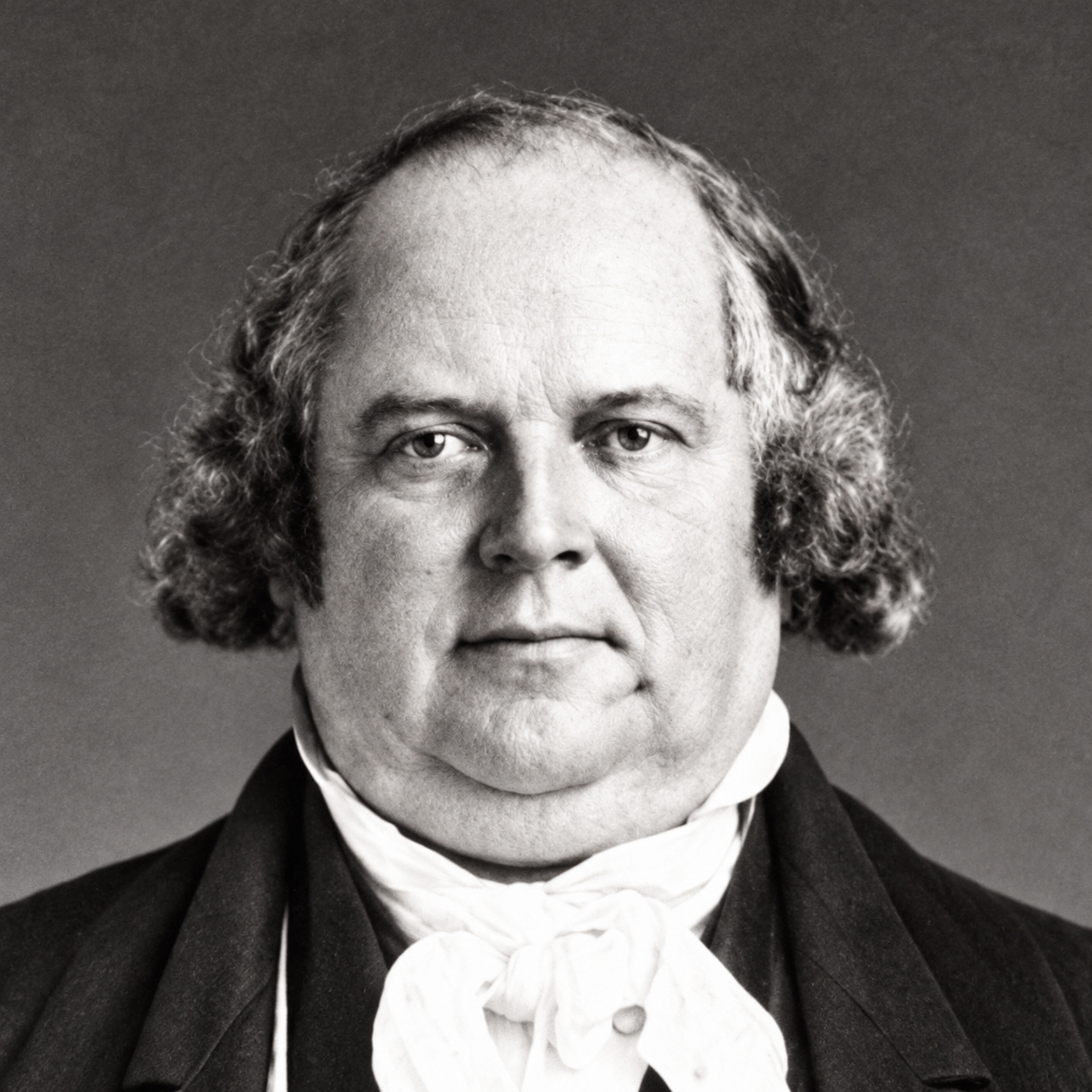
Richards’ intervention further unsettles any simple division between the originator of the project and the maker of its characters. In print and in person, Richards urged the regents to abandon familiar letters and consider new forms, including signs associated with purportedly ancient Welsh inscriptions. In his letter to Young of 8 December 1853, he supplied forty-two geometric signs composed of lines, circles, and arcs. He assigned them no sound values. His proposal addressed the construction of a visual system while leaving its phonetic organization to be determined.
The timing matters. Richards recognized the work of Vance and Watt, yet continued to offer alternatives before the alphabet’s final adoption, which occurred a few weeks later. The acknowledged labor of Watts and Vance had not yet foreclosed on discussion of the alphabet’s basic forms. Moreover, it is apparent that at least some of Richards’ suggestions were incorporated, whether by Watt or another committee, into the alphabet. Richards’ relationship with Watt added a personal dimension to these deliberations: Richards was Watt’s father by ritual adoption, and their association could be both familiar and contentious. That relationship belongs to the setting in which the work proceeded, although its precise effect on particular design decisions is difficult to recover. The letter itself provides firmer evidence: Richards was actively proposing letterforms at a stage when the alphabet was still being settled.5
Ellerbeck and the retrospective account
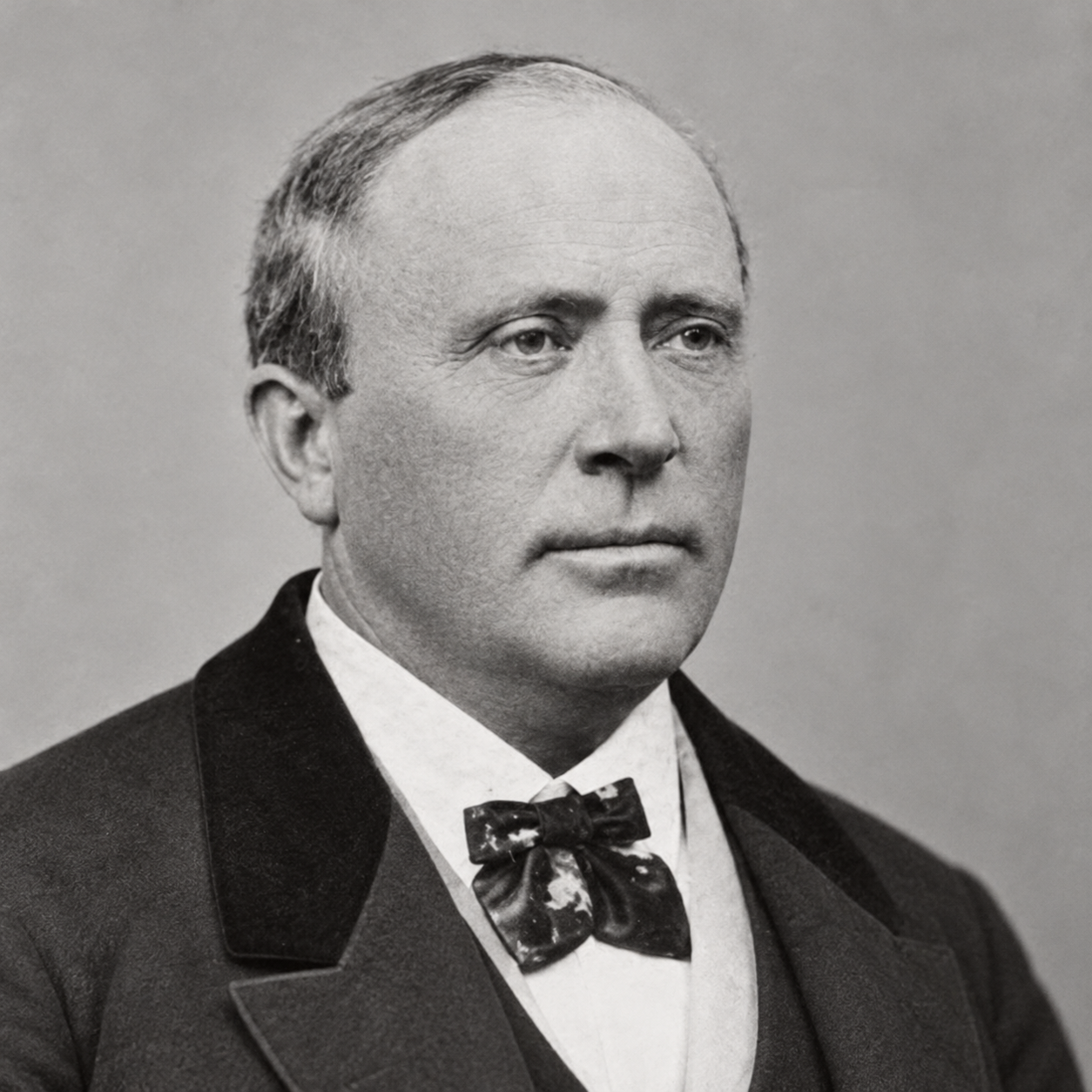
Later recollection ascribed to Watt a more definitive responsibility for the shapes of the Deseret Alphabet letters. Thomas W. Ellerbeck, one of Brigham Young’s clerks who used the Deseret intensively, credited Watt with invention and selection of the Deseret Alphabet glyphs:
“[T]he forms of some of the letters were designed or originated by Mr. Watt—those of others were selected by Mr. Watt from some of the ancient alphabets found in the front of Webster’s unabridged dictionary.”
Thomas W. Ellerbeck, as quoted in later accounts7
Ellerbeck’s account assigns Watt a specific role in selecting the characters and has carried considerable weight in subsequent histories. It must, however, be considered alongside the records of the University of Deseret’s regents, who deliberated extensively over the assignment of forms to sounds in November 1853. Their close involvement makes it difficult to assume, without further evidence, that they subsequently entrusted these decisions soley to Watt, who served as their record-keeper rather than as a peer on the board. The transmission of Ellerbeck’s reminiscence also warrants caution. The original letter can no longer be located; the earliest identified quotation appears in Franklin D. Richards’ letter to Hubert Howe Bancroft, written about 1885, some three decades after the regents’ deliberations.
The missing original makes it difficult to determine the basis and scope of Ellerbeck’s knowledge. Was he recalling work he had observed, reporting Watt’s explanation, or repeating an account that had acquired authority through circulation? These possibilities do not make his testimony worthless, but they affect what can reasonably be asked of it. His attribution must be weighed alongside Rémy’s earlier account and the records of proposals and decisions made during the alphabet’s development. It cannot settle those differences merely because it is more explicit.
The making of the alphabet
The surviving records establish Watt’s importance more securely than they establish his exclusive authorship. His early manuscripts demonstrate practical command of the script; his correspondence places him directly within its construction and revision. But that correspondence also acknowledges constraints imposed by others. Vance contributed principles that Watt failed to dislodge. Richards proposed forms while the design remained open. Phelps had brought an alphabet before the regents in 1850 and later received credit for the invention of the Deseret Alphabet in an early published account. The regents, under Young’s sponsorship, made decisions that gave these various contributions their collective authority.
The loss of proposals and the uneven survival of testimony prevent a complete allocation of credit. Nor does this require that the history be reduced to a choice between Watt and Phelps (or Vance), with the remaining participants assigned incidental roles. The stronger conclusion concerns the character of the undertaking. The Deseret Alphabet took shape through proposal, experiment, argument, and institutional decision. Its makers contributed to different aspects of a system that no one of them entirely controlled. To call Watt its sole inventor converts an important and well-documented contribution into a claim broader than the evidence can, in fact, sustain.
Sources and documentary notes
- Ryan K. Shosted and N. E. Davis, “History of the Deseret, 1837–1858,” in The Deseret Alphabet: A Fixed and Unalterable Sound (University of Illinois Press, 2026), pp. 24–37.
- Shosted and Davis, pp. 26–27, 40–41. Primary source: George D. Watt to Brigham Young, 21 August 1854, Church History Catalog.
- Shosted and Davis, pp. 27, 31–36, on Vance, the regents’ decisions, and Richards’ acknowledgment of Vance and Watt.
- Shosted and Davis, pp. 24–27, 40–42, 45. Primary source: William W. Phelps to Brigham Young, 10 April 1854, Church History Catalog; the Deseret text appears in a postscript.
- Shosted and Davis, pp. 34–37. Primary source: Willard Richards to Brigham Young, 8 December 1853, Church History Catalog.
- Jules Rémy and Julius Brenchley, A Journey to Great-Salt-Lake City (London: W. Jeffs, 1861), 2:185–186. Rémy incorrectly calls Phelps an apostle. The attribution to Phelps appeared first in L’echo du Pacifique in January 1856.
- Ellerbeck’s crucial letter on the origin of the Deseret Alphabet is cited by Monson (1947, p. 65) as being published in Henry A. Smith’s article, “Try to spell by this alphabet” (Deseret News, 13 September 1930, Church section). Webster’s unabridged dictionary was not published until 1864.